
The Invisible Man vs. The Human Fly
1957
No user ratings available yet
Representation score: 1.3 out of 10

Representation Score
Fair
1964
Director
Ishirō Honda
Runtime
83 minutes
Average Rating
No ratings yetNew Showbiz Analysis
Dogora is a traditional creature feature that prioritizes the spectacle of an amorphous life-form over complex social character studies. The narrative architecture is built around the biological imperative of a monster seeking carbon, leaving little room for identity-driven subplots. As a product of its 1964 industrial context, the film adheres to the period's standard character archetypes. It functions as a genre piece focused on scientific and investigative responses to a cosmic threat rather than a vehicle for deconstructing social hierarchies. Ultimately, the film lacks depth in reflecting multiple aspects of identity, reflecting the homogeneous and conventional social structures typical of mid-century Japanese science fiction.
Category Breakdown
The film focuses on scientific inquiry and cosmic horror. There is no evidence of LGBTQ+ identities or narratives critiquing the assumption that everyone is straight or cisgender.
Gender roles follow traditional 1960s hierarchies. Men play key roles as authority figures and scientific leaders, while women have less influence over the story.
As a Japanese production, the cast is predominantly homogeneous. It reflects the cultural landscape of its era without blending in modern diversity.
The story explores scientific materialism and the disruption of earthly stability. It remains rooted in the institutional frameworks of its time.
The narrative centers on a biological threat from an extraterrestrial entity. Characters function within standard physical archetypes without representing neurodivergent or physical disabilities.
Present on Screen
Limited or Absent
Official Synopsis
A floating amorphous life-form descends from the atmosphere to consume carbon in the form of diamonds.
1957
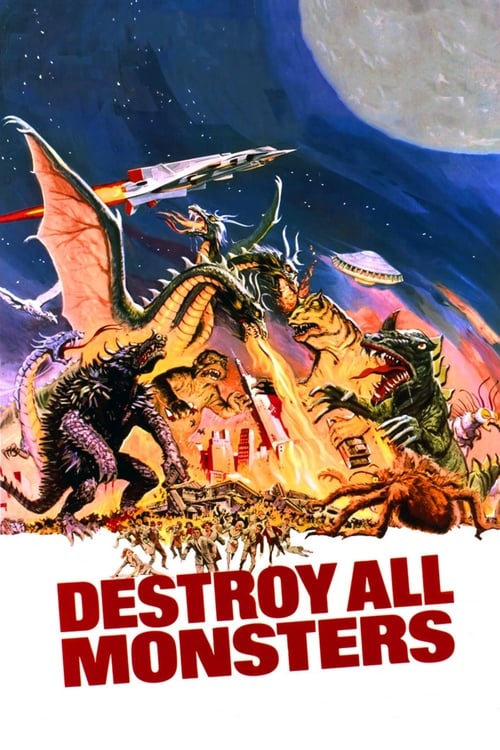
1968
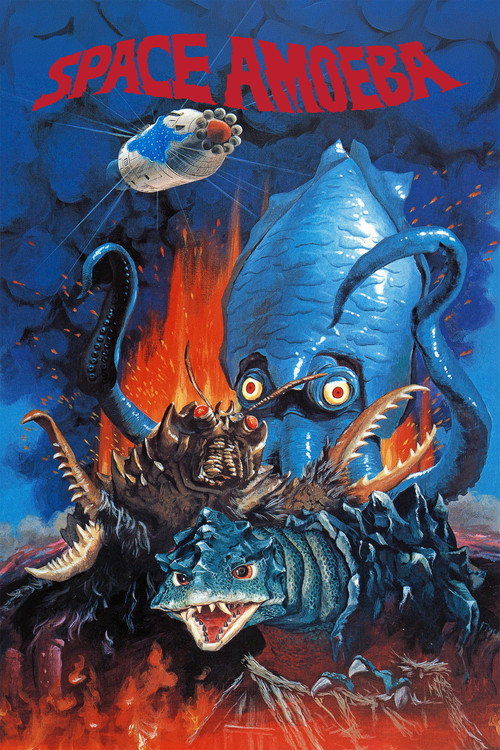
1970
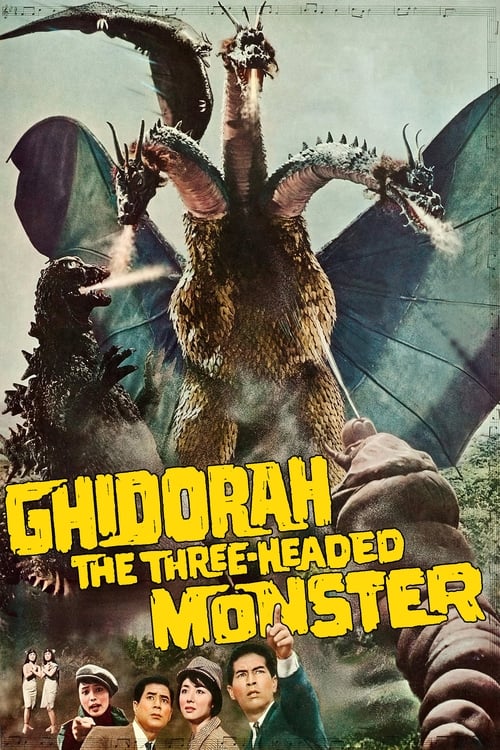
1964
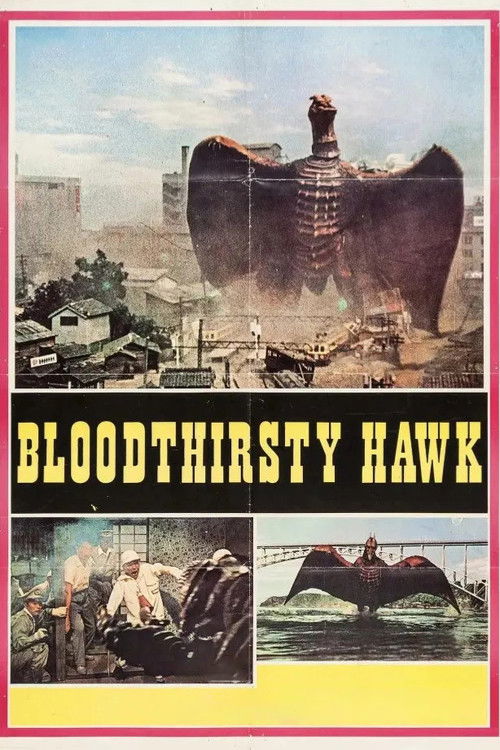
1977
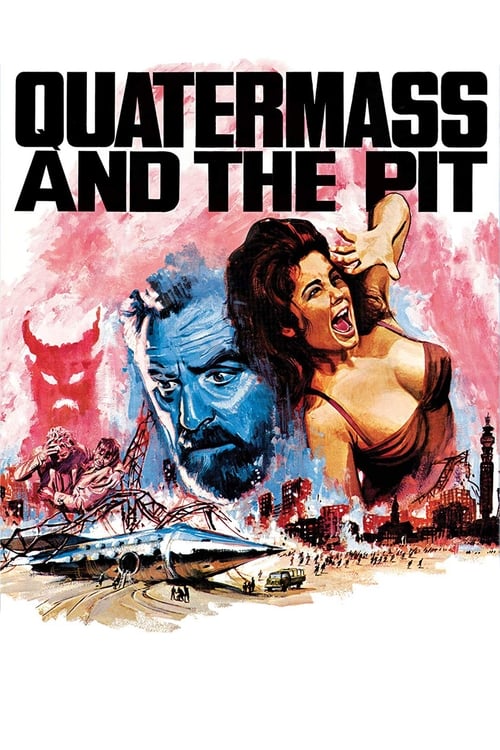
1967
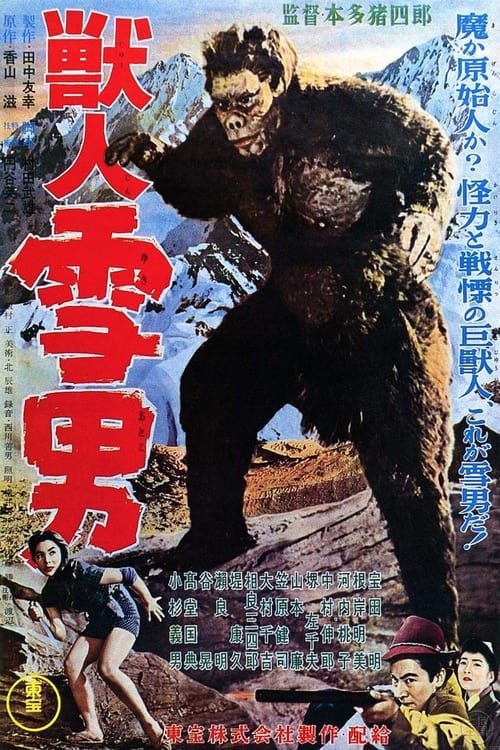
1955
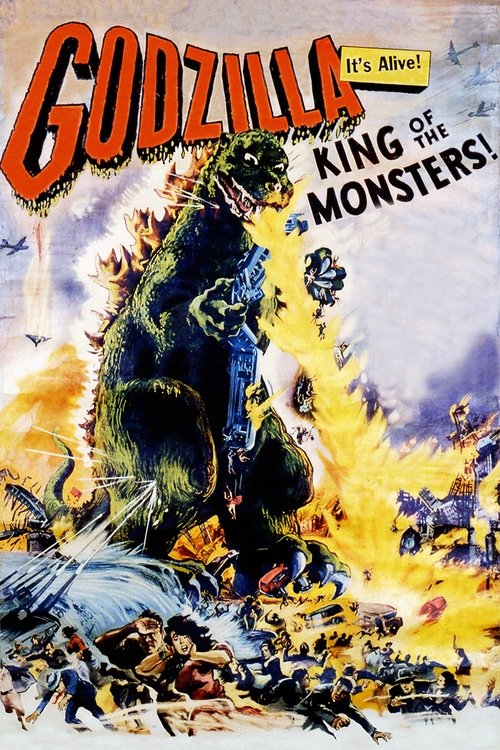
1956
No reviews yet. Be the first to share your thoughts on this movie!
Use the rating form above to leave a star rating and optional review.