Son of the Bride
2001
No user ratings available yet
Representation score: 5.6 out of 10
Representation Score
Fair
2010
Director
Federico Godfrid, Juan Sasiaín
Runtime
80 minutes
Average Rating
No ratings yetNew Showbiz Analysis
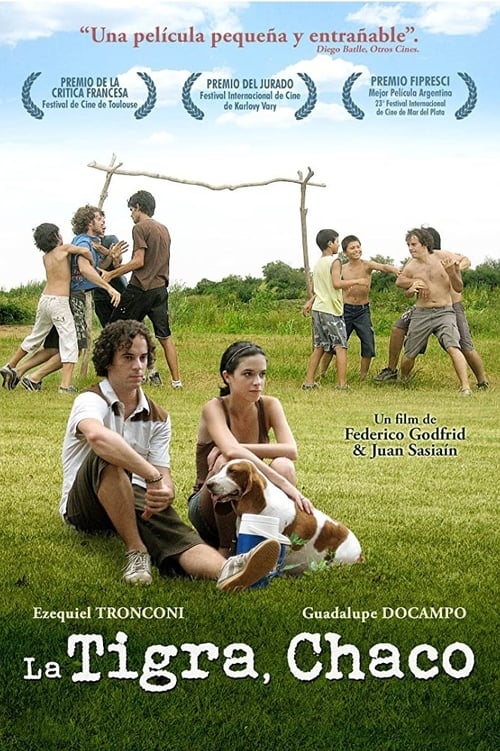
La Tigra, Chaco stands out as a regionalist film that breaks away from the typical urban-centric focus often seen in Argentine cinema. By setting the story in the Chaco region, it offers a genuine portrayal of local demographics and socioeconomic conditions. However, the film maintains a socially conservative stance in its interpersonal dynamics. The core romance is strictly heterosexual, and the social structures depicted adhere to traditional patriarchal roles and conventional gender expectations. Overall, the film excels in its cultural critique. It uses the setting to explore themes of post-colonialism and the shortcomings of centralized institutions, offering a sophisticated view of life on the margins.
Category Breakdown
The story focuses on a heterosexual relationship between Esteban and Vero. There are no representations of non-straight or non-cisgender identities, nor any same-sex relationships.
The film adheres to traditional patriarchal structures, especially concerning the role of the absent father. While Vero demonstrates emotional strength, the social structure upholds conventional gender roles.
The production steers clear of Buenos Aires-centric clichés by focusing on the Chaco region. It presents a detailed picture of local ethnic communities, including indigenous and rural identities.
The narrative criticizes the neglect of rural populations and challenges idealized views of national stability. It portrays the Chaco as a place where survival is key.
There are no prominent depictions of visible or invisible disabilities that significantly impact the plot or serve as central character traits.
Present on Screen
Limited or Absent
Official Synopsis
La Tigra, Chaco. A quiet town only 20 blocks long. Esteban returns after years of absence to the place where he spent his childhood summers. He returns looking for his father, Cacho, and to talk "about Buenos Aires". But Cacho, a truck driver who has started a new family in La Tigra, is often on the road and their encounter is postponed indefinitely. While he waits, Esteban meets Vero, a childhood friend that has grown into a beautiful woman. Each step together seems to take them back to the most precious moments of a shared memory. But their relationship is not a journey into the past; rather it holds the promise of a future. Federico Godfrid's and Juan Sasiaín's first feature film transmits the warmth, honesty and sadness of this reunion, thanks to its mise en scène and the performances of Ezequiel Tronconi and Guadalupe Docampo, who give their characters a rare spontaneity.
2001
1992
1989

2016

2014

2002

2017

2018
No reviews yet. Be the first to share your thoughts on this movie!
Use the rating form above to leave a star rating and optional review.