One for the Book
1940
No user ratings available yet
Representation score: 1.6 out of 10
Representation Score
Limited
1945
NRDirector
H. Bruce Humberstone
Runtime
98 minutes
Average Rating
No ratings yetNew Showbiz Analysis
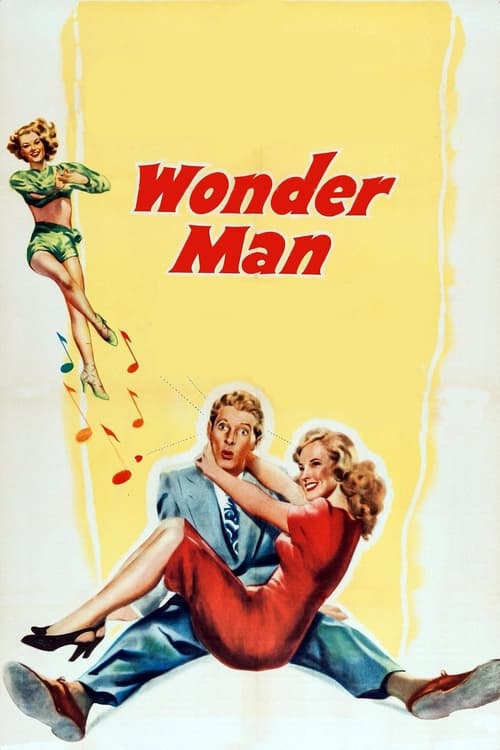
Wonder Man is a classic product of the 1940s studio system, emphasizing genre-driven entertainment over cultural subversion. The narrative relies on established social hierarchies and demographic homogeneity. The film's dependence on traditional romantic structures and Anglo-centric social norms leads to a lack of diverse representation. It functions as a typical comedic fantasy that upholds the era's status quo. Ultimately, the work adheres to the cinematic clichés of its time, focusing on conventional moral resolutions and individual personas rather than diverse perspectives.
Category Breakdown
The film doesn't include any LGBTQ+ characters or storylines. Romantic relationships are confined to traditional courtship, following the assumption that everyone is straight or cisgender.
Gender roles adhere to mid-century norms. Female characters mainly support traditional romantic plots, while the film upholds conventional male leadership without challenging it.
The cast is predominantly white, reflecting typical 1940s studio productions. The New York City setting is portrayed through an Anglo-centric lens with minimal ethnic diversity.
The story follows traditional Western values and capitalist entertainment structures. It adheres to a conventional path of justice without questioning established social institutions.
The supernatural ghost element serves as a comedic fantasy device rather than a deeper look at disability. The protagonist's role is driven by plot needs rather than personal experience.
Present on Screen
Limited or Absent
Official Synopsis
Boisterous nightclub entertainer Buzzy Bellew was the witness to a murder committed by gangster Ten Grand Jackson. One night, two of Jackson's thugs kill Buzzy and dump his body in the lake at Prospect Park in Brooklyn. Buzzy comes back as a ghost and summons his bookworm twin, Edwin Dingle, to Prospect Park so that he can help the police nail Jackson.
1940
1937
1945
1941
1941

1943
1944
1946
No reviews yet. Be the first to share your thoughts on this movie!
Use the rating form above to leave a star rating and optional review.