
The Elusive Summer of '68
1984
No user ratings available yet
Diversity score: 5.6 out of 10
1987
Director
Matjaž Klopčič
Runtime
100 minutes
Average Rating
No ratings yetSynopsis
Year 1945. The second World War is over and the soldiers from the disbanded army are returning home. Yet there is still no sign of Joze Malek.
Overall Score
Fair
Category Breakdown
LGBTQ+ Representation
The film lacks explicit evidence of LGBTQ+ characters or narratives. The focus remains on the domestic and political reintegration of soldiers within traditional family structures.
Gender Representation
The narrative architecture centers on male agency and the patriarchal experience of post-war displacement. Female characters appear to occupy traditional roles within the family unit.
Racial & Ethnic Diversity
The film likely reflects the ethnic complexities of the Balkan region. However, the cast appears relatively homogeneous, reflecting the regional demographics of 1945 Yugoslavia.
Religious & Cultural Diversity
The film engages deeply with the deconstruction of class hierarchies and systemic shifts. It explores the friction between agrarian values and emerging socialist frameworks.
Disability Representation
There is no documented evidence that disability or neurodivergence serves as a central narrative component or character arc in this work.
Strengths
Areas for Improvement
AI Analysis
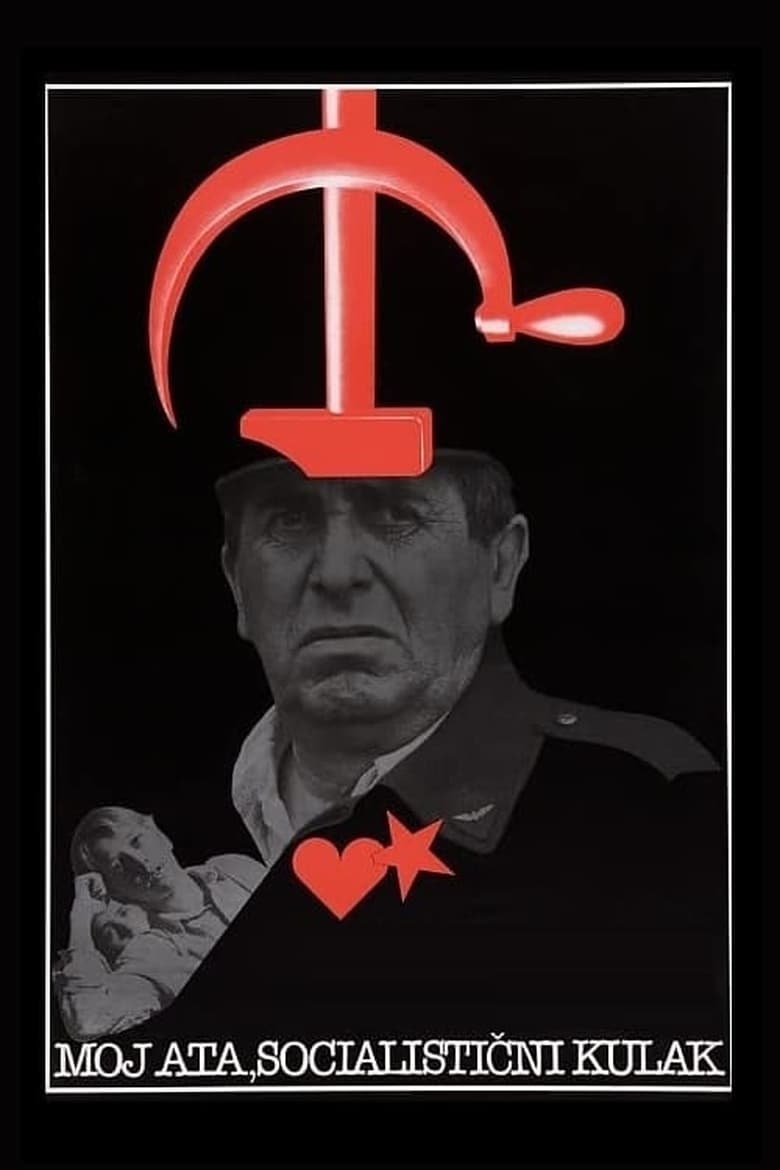
My Dad, the Socialist Kulak is a period comedy that finds its strength in its socio-political commentary. By examining the tension between individual identity and state-driven collectivism, the film offers a rich critique of the transition from traditional agrarian life to socialist restructuring. However, the film's diversity is limited by its historical and thematic focus. The narrative leans heavily on patriarchal structures and traditional family roles, leaving little room for non-heteronormative identities or diverse gender expressions. While it captures the ethnic landscape of the Balkans, it lacks specific evidence of intersectional casting. Ultimately, the film is a specialized study of class and systemic change rather than a broad exploration of social identity.
1984

2014
1973
1993

1997
1955
1981
1991
1992
1974
1991
1983
No reviews yet. Be the first to share your thoughts on this movie!
Use the rating form above to leave a star rating and optional review.