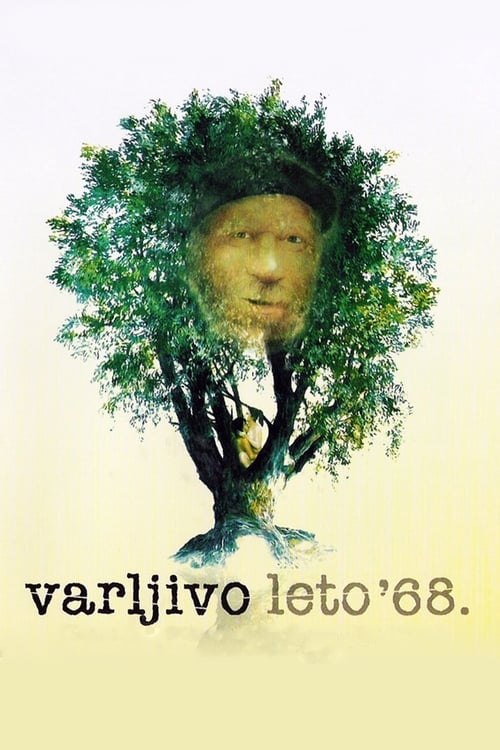
The Elusive Summer of '68
1984
No user ratings available yet
Representation score: 5.0 out of 10
Representation Score
Fair
1992
Director
Goran Marković
Runtime
104 minutes
Average Rating
No ratings yetNew Showbiz Analysis
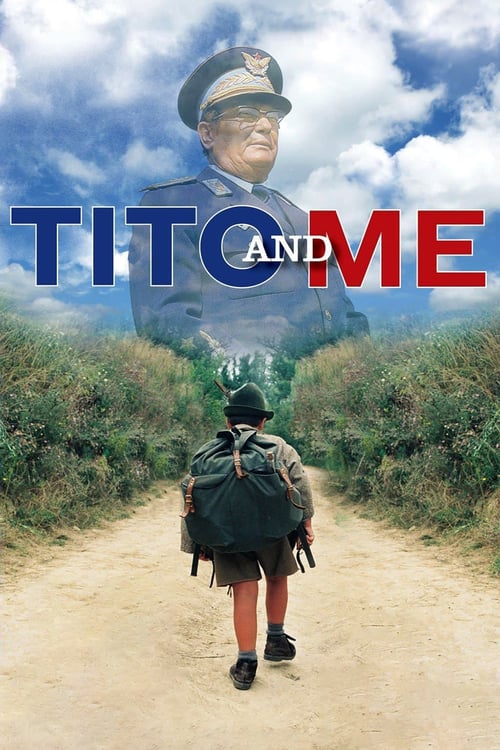
Tito and Me is a sophisticated coming-of-age story that deconstructs the idealized socialist childhood. It highlights the friction between individual identity and the monolithic political mythos of the Yugoslav era. The film's strength lies in its cultural critique, using the tension between personal truths and state-sanctioned narratives to challenge systemic indoctrination. It provides a nuanced, non-idealized view of political authority. However, the film remains traditional in its gender and LGBTQ+ depictions. It reflects the historical setting's patriarchal structures and social constraints without offering modern subversions.
Category Breakdown
The film operates within a mid-century social framework without explicit LGBTQ+ characters. The narrative focuses on traditional family and state structures, offering no discernible subversion of gendered sexualities.
The story depicts a traditional patriarchal hierarchy, emphasizing father-son dynamics and male authority. While it avoids harmful stereotypes, it adheres to era-specific constraints and lacks significant female empowerment.
A predominantly South Slavic cast provides an authentic reflection of 1954 Yugoslavia's regional ethnic composition. This commitment to historical realism offers a localized depth that avoids Western-centric homogeneity.
The film excels by juxtaposing state-sanctioned myths with lived experiences. It challenges the sanctity of the socialist state and explores the tension between secular mandates and underlying cultural realities.
There are no prominent depictions of visible or invisible disabilities that drive the narrative or function as significant character traits.
Present on Screen
Limited or Absent
Official Synopsis
At his school, 10-year-old Zoran wins the competition for the best essay about Tito. His reward is participation in the march "Revolutionary trails" to Tito's hometown of Kumrovec.
1984
1980
1966
1967

2023
2010
2005
2007
No reviews yet. Be the first to share your thoughts on this movie!
Use the rating form above to leave a star rating and optional review.