'M' as in Mathieu
1973
No user ratings available yet
Representation score: 2.5 out of 10
Representation Score
Good
1965
Director
Živojin Pavlović
Runtime
95 minutes
Average Rating
No ratings yetNew Showbiz Analysis
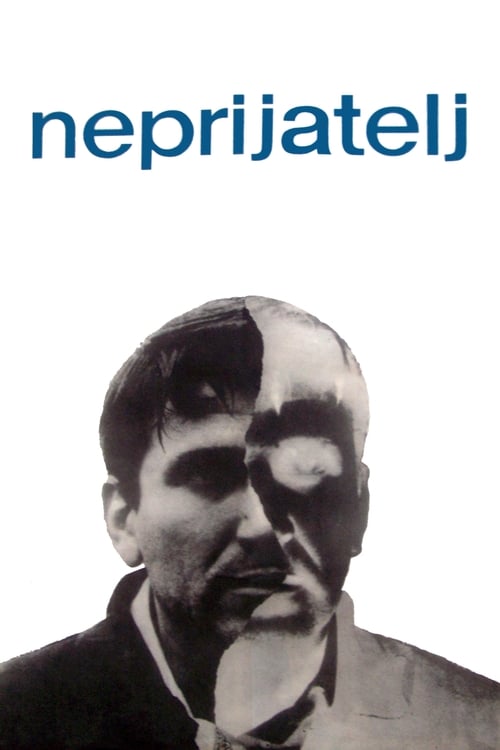
Živojin Pavlović’s work is a cornerstone of the Yugoslav Black Wave, emphasizing cinematic realism over state-sanctioned optimism. The film excels as a sophisticated deconstruction of the 'ideal citizen' concept, using existentialist frameworks to challenge systemic norms and traditional heroism. However, the film lacks modern demographic breadth. It does not feature explicit LGBTQ+ representation or intentional racial blending, focusing instead on a localized, urban psychological study. Its approach to disability is centered on existential paranoia rather than character-driven ability to act. Ultimately, the film's strength lies in its cultural subversion. It rejects conventional moralities and domestic ideals, offering a complex look at individual alienation within a dehumanizing social order.
Category Breakdown
The film does not include explicit LGBTQ+ characters or non-binary identities. Instead, it focuses on a fractured male identity and transactional romantic relationships.
The film avoids traditional female archetypes and presents complex, dysfunctional relationships. Romantic connections are shown as sites of psychological manipulation rather than social stability.
Set in 1960s Yugoslavia, the film captures a gritty, urban working-class experience. It avoids the homogeneous, idealized depictions common in mainstream historical dramas of the era.
The film offers a profound critique of institutional stability and social cohesion. It uses moral relativism to deconstruct the gap between official structures and individual reality.
While there are no physical disabilities explicitly mentioned, the film centers on profound psychological instability. The protagonist's descent into paranoia highlights the mental disintegration process.
Present on Screen
Limited or Absent
Official Synopsis
An ex-soldier named Slobodan Antic, referred to by a friend as one of the last idealists, finds himself losing control over his own life when a man identical to him starts following him around, claiming to be a friend but behaving suspiciously. Before long his dealings with this doppelganger begin to cost him and his professional and romantic life grow more and more confused.
1973

1975
1978
1964
1968
2005

1967
2014
No reviews yet. Be the first to share your thoughts on this movie!
Use the rating form above to leave a star rating and optional review.