Vent mauvais
2007
No user ratings available yet
Representation score: 4.2 out of 10
Representation Score
Fair
2007
GDirector
Régis Wargnier
Runtime
116 minutes
Average Rating
No ratings yetNew Showbiz Analysis
Set in the 1940s, the film reflects the traditional demographics of the time. This results in limited LGBTQ+ and racial diversity. However, the film excels in its thematic depth, challenging straightforward moral absolutes and exploring the complexities of human behavior during war. Despite a largely homogenous cast, the storytelling provides a sophisticated look at power dynamics and personal ability to act in oppressive situations.
Category Breakdown
The film doesn't include any non-straight or non-cisgender identities. There's no clear queer storyline or hints at diverse sexual orientations.
The movie focuses on the experiences of women living under a male-dominated military occupation. Emmanuelle Béart's character shows strong mental resilience and intelligence.
The cast is mostly made up of people from similar backgrounds, reflecting the specific demographics of wartime Europe. There's no attempt to mix in different cultures.
The film avoids simple good-versus-evil stories. It uses moral ambiguity to explore the gray areas between those who resist and those who collaborate.
The film doesn't focus on physical or hidden disabilities. Characters are used to highlight political and romantic tensions rather than exploring different abilities.
Present on Screen
Limited or Absent
Official Synopsis
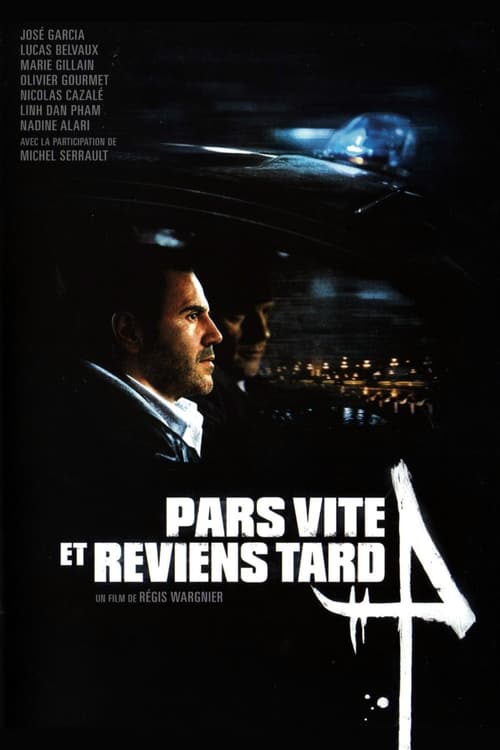
In Paris, many citizens go to the precinct after the doors of their apartments have been sprayed with a 4 and the letters "clt". When a dweller is found mysteriously dead in his apartment, Detective Jean-Baptiste Adamsberg and his partner Danglard investigate...
2007

1970

2017

2019
2011

2009
2001

2001
No reviews yet. Be the first to share your thoughts on this movie!
Use the rating form above to leave a star rating and optional review.