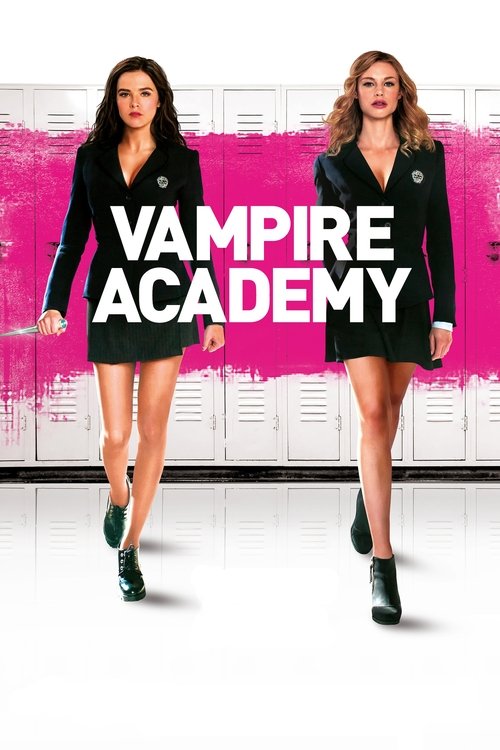
Vampire Academy
2014
No user ratings available yet
Representation score: 3.2 out of 10

Representation Score
Good
2013
PG-13Director
Harald Zwart
Runtime
130 minutes
Average Rating
No ratings yetNew Showbiz Analysis
The film navigates a middle ground in young adult fantasy, avoiding strict traditionalism by emphasizing female empowerment and introducing LGBTQ+ themes through characters like Magnus Bane. However, it remains tied to the 'chosen one' archetype and conventional moral binaries, limiting its scope. While the story incorporates supernatural elements to challenge some societal norms, it adheres closely to established genre conventions.
Category Breakdown
The film includes Magnus Bane, a warlock who challenges traditional gender roles, adding layers of identity fluidity. While the main romance is heterosexual, Magnus brings a sense of identity exploration that disrupts typical young adult narratives.
Clary Fray is a strong central character whose journey emphasizes her growth and empowerment. Isabelle Lightwood, another key figure, demonstrates equal strength to her male counterparts in both intellect and combat.
The Downworld factions showcase a diverse range of ethnicities, creating a rich tapestry. However, the primary Shadowhunter characters and their storyline remain more homogeneous, lacking deeper multi-layered complexity.
The narrative revolves around a traditional good-versus-evil moral framework. While it delves into supernatural vigilantism, it avoids deeper critiques of Western societal structures or institutional systems.
The film does not focus significantly on disabilities, either visible or invisible. Characters are primarily defined by their supernatural abilities and combat skills rather than by any disabilities.
Present on Screen
Limited or Absent
Official Synopsis
In New York City, Clary Fray, a seemingly ordinary teenager, learns that she is descended from a line of Shadowhunters — half-angel warriors who protect humanity from evil forces. After her mother disappears, Clary joins forces with a group of Shadowhunters and enters Downworld, an alternate realm filled with demons, vampires, and a host of other creatures. Clary and her companions must find and protect an ancient cup that holds the key to her mother's future.
2014
2007
2023
2005
2016
2007
2004
2009
No reviews yet. Be the first to share your thoughts on this movie!
Use the rating form above to leave a star rating and optional review.