
Believers
2007
No user ratings available yet
Diversity score: 2.6 out of 10
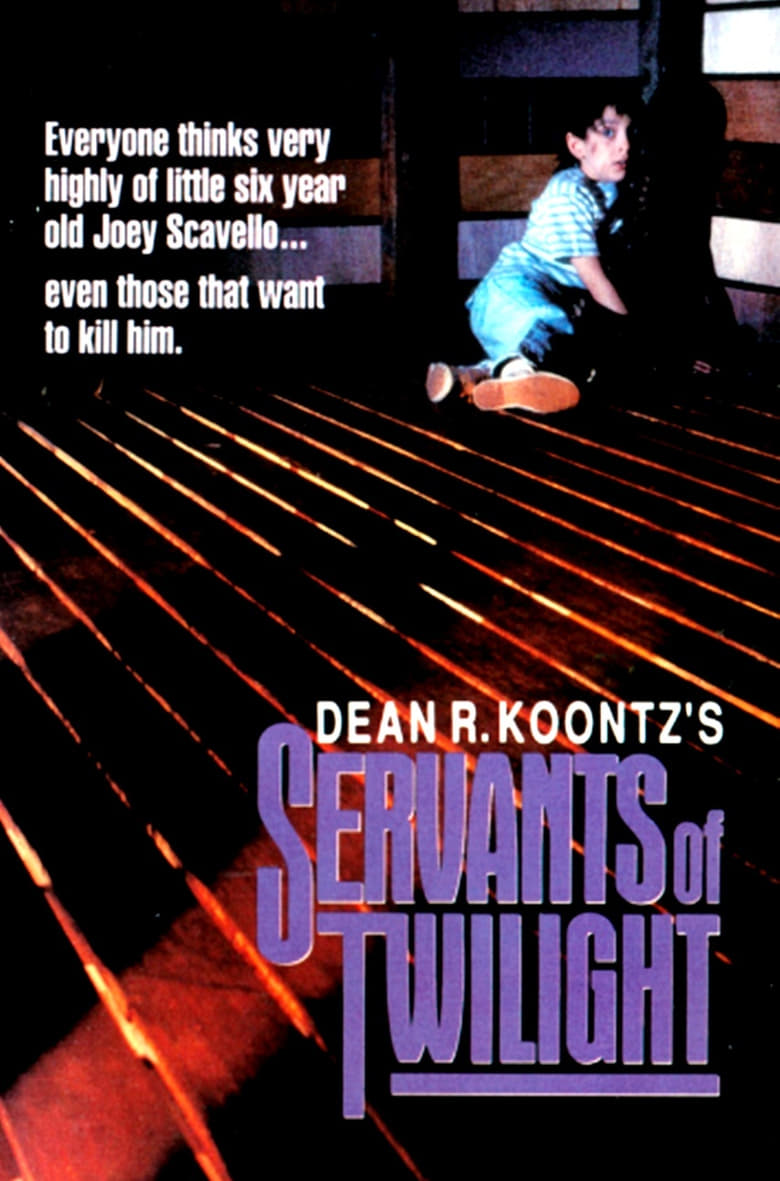
1991
RDirector
Jeffrey Obrow
Runtime
95 minutes
Average Rating
No ratings yetSynopsis
Based on the novel by Dean R. Koontz, this action packed thriller features Bruce Greenwood as a private detective hired to protect a little boy from a fanatical religious cult that believe he is the antichrist fortold in the book of Revelations.
Overall Score
Limited
Category Breakdown
LGBTQ+ Representation
The film lacks any evidence of non-cisnormative identities or same-sex intimacy. The narrative focus remains strictly on a child's protection from a religious entity.
Gender Representation
Gender roles follow traditional 1990s archetypes, centering on a male protagonist in the protector role. There is no indication of women occupying roles of superior intellect.
Racial & Ethnic Diversity
The story focuses on a theological conflict within a conventional Western thriller structure. There is no evidence of a non-Anglo-Saxon majority cast.
Religious & Cultural Diversity
The film critiques religious extremism through the lens of a fanatical cult. However, this serves as a standard horror trope rather than a systemic deconstruction.
Disability Representation
There is no information regarding the portrayal of neurodivergence or physical disabilities. The character arcs do not address these themes.
Strengths
Areas for Improvement
AI Analysis
Servants of Twilight is a conventional 1990s horror-thriller that prioritizes genre tropes over social subversion. The narrative relies heavily on the 'protector' and 'chosen child' archetypes, which reinforces traditional social hierarchies rather than challenging them. The film's engagement with culture is limited to a critique of religious fanaticism. While this provides a central conflict, it functions as a standard suspense mechanism rather than a deep exploration of diverse cultural identities or systemic issues. Ultimately, the production reflects the era's standard cinematic norms, focusing on a centralized conflict between an individual and an institution without incorporating intersectional representation.
2007

2010

1982
1981

2015

1989

2015

2021
2000

2007
1997
1980
No reviews yet. Be the first to share your thoughts on this movie!
Use the rating form above to leave a star rating and optional review.