The Deliverance
2024
No user ratings available yet
Representation score: 6.3 out of 10
Representation Score
Fair
2015
Not RatedDirector
Paul Catalanotto
Runtime
75 minutes
Average Rating
No ratings yetNew Showbiz Analysis
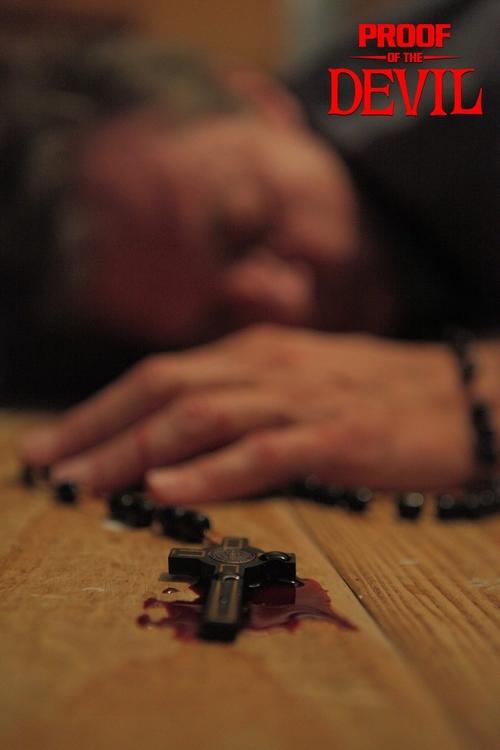
Proof of the Devil is a specialized genre piece that prioritizes a singular, intense psychological conflict over broad social or demographic representation. The narrative structure focuses on the tension between legal certainty and spiritual subjectivity. While the film offers a nuanced look at maternal ability to act and subjective truth, it lacks the complexity of multi-layered diversity and diverse casting needed for a higher score. The scope for broad demographic exploration is limited by the specific true-crime premise.
Category Breakdown
There are no LGBTQ+ characters or non-cisgender identities mentioned in the narrative. The story focuses solely on the maternal bond and the central conflict of demonic possession.
Kate, the main female character, demonstrates significant autonomy and independence through her pursuit of her son's name. However, her role fits within traditional domestic frameworks centered around maternal care.
The story appears to be a homogeneous character study set in Louisiana. There is no indication of a multi-ethnic cast or visible racial diversity within the plot.
The film explores the tension between institutional legal truth and personal spiritual belief. It disrupts traditional binaries by framing the killer through the lens of demonic possession.
The theme of possession serves as a metaphor for lost mental autonomy. However, it currently functions more as a standard genre cliché rather than a nuanced exploration of disability.
Present on Screen
Limited or Absent
Official Synopsis
Based on true events. 18-year old Jesse Winters, also know as The Butcher, was put to death in Louisiana for committing 23 grisly murders. There was no doubt that he was killer, the question was why? His mother, Kate, claimed that Jesse was possessed by a demon that drove him to fiendish brutality. Now, for the first time on film, Kate will attempt to prove her theories and clear her son’s name by inviting a demon to invade her body.
2024

2005

2018

2012

2018

2010
2021

2016
No reviews yet. Be the first to share your thoughts on this movie!
Use the rating form above to leave a star rating and optional review.