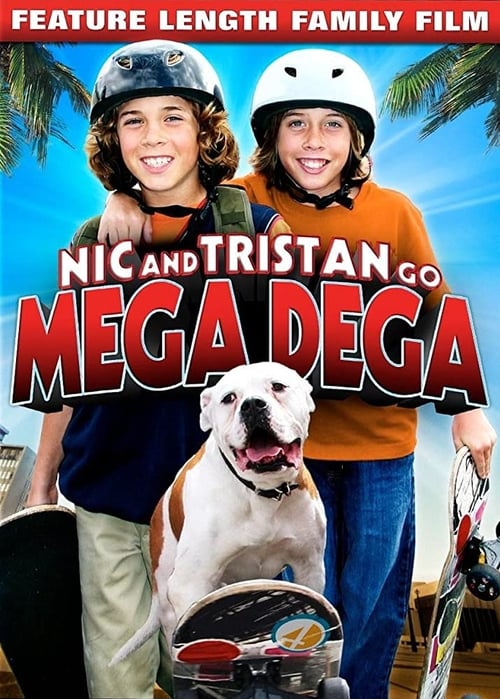
Nic & Tristan Go Mega Dega
2010
No user ratings available yet
Representation score: 2.9 out of 10

Representation Score
Minimal
1996
PGRuntime
100 minutes
Average Rating
No ratings yetNew Showbiz Analysis
Candidate Kid is a typical 1990s family comedy that emphasizes broad appeal and traditional values. While the protagonist showcases some independence, the film primarily adheres to the social norms of its time. The narrative does not intentionally address diverse identities or challenge established social hierarchies. Instead, it focuses on the dynamics of small-town life.
Category Breakdown
The film does not include any LGBTQ+ characters or representations of non-straight relationships. It centers on a traditional family structure.
Rhea Justice demonstrates strong independence and intelligence, but the story is rooted in traditional gender roles and patriarchal structures typical of the 1990s.
The film is set in a rural Southern town with a predominantly white cast. It does not explore diverse ethnic backgrounds or intersections.
The story contrasts childhood innocence with adult cynicism and local corruption, focusing on traditional community values without addressing broader social issues.
There are no characters with visible or invisible disabilities. Disability is not used as a narrative device or plot point.
Present on Screen
Limited or Absent
Official Synopsis
Candidate Kid chronicles the adventures of Rhea Justice, a twelve-year old girl like many twelve-year-old girls - sharp and precocious at times, shy and awkward at others.
2010

2015
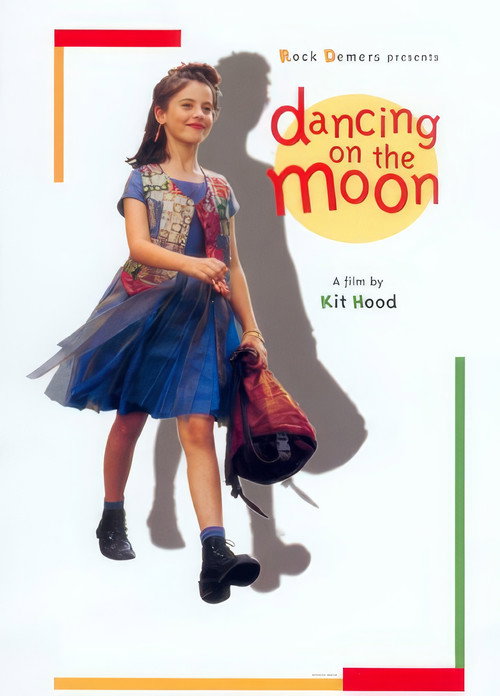
1997

2010

1999
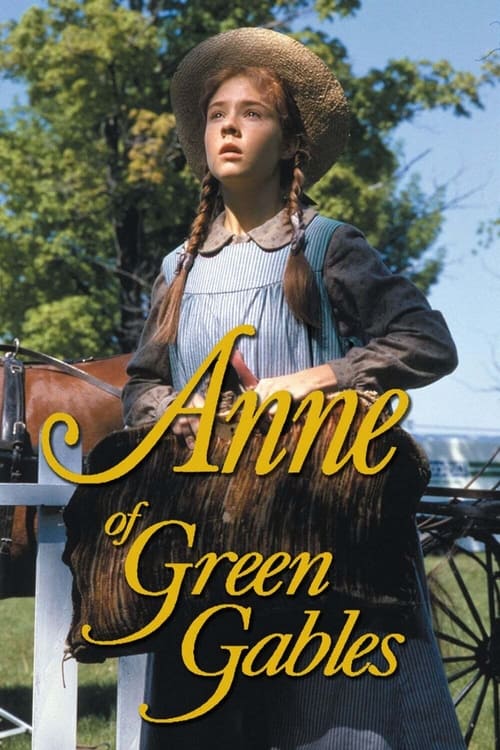
1985

2016
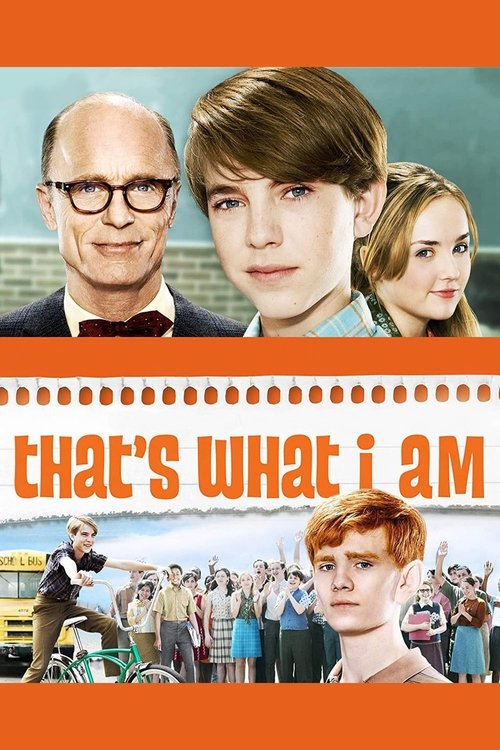
2011
No reviews yet. Be the first to share your thoughts on this movie!
Use the rating form above to leave a star rating and optional review.