
Plastic Paradise: The Great Pacific Garbage Patch
2013
No user ratings available yet
Representation score: 5.4 out of 10
Representation Score
Limited
2016
Director
Vincent Pérazio
Runtime
53 minutes
Average Rating
No ratings yetNew Showbiz Analysis
This documentary primarily serves as a scientific inquiry rather than a character-driven social narrative. Its main value lies in a systemic critique of global industrialism rather than identity-based representation. The film challenges conventional ideas of human progress by exposing the toxic consequences of modern consumption. It shifts the focus from human social dynamics to the invisible impact of the 'plastisphere.' While the film lacks character depth reflecting multiple aspects of identity, it succeeds in challenging the stability of global economic and environmental systems through its investigative lens.
Category Breakdown
There are no LGBTQ+ characters or narratives exploring non-straight relationships in this film. The focus is entirely on ecological and biological investigations.
Gender roles are defined by the professional expertise of the scientists. Female scientists often hold leadership positions, but there are no specific character arcs.
The film highlights the global nature of plastic pollution, suggesting international scientific collaboration. This likely involves a multi-ethnic cast of experts, though specific racial breakdowns are not detailed.
The narrative critiques modern industrial capitalism and Western consumerist structures. It challenges the perceived success of industrial progress by prioritizing ecological truth over economic models.
The documentary focuses on microscopic particles and marine ecosystems. There is no evidence of characters or experts with visible or invisible disabilities.
Present on Screen
Limited or Absent
Official Synopsis
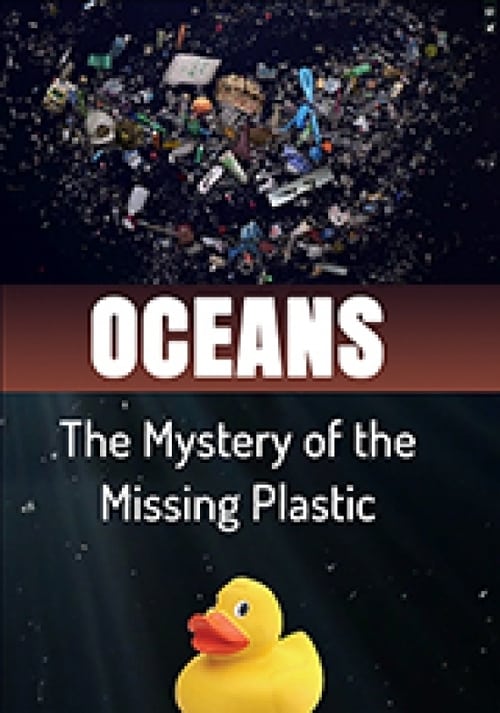
99% of the plastic that should be floating in the oceans is missing. Even accounting for the plastic that washes up on beaches or is trapped in arctic ice, millions of tonnes has simply disappeared. As most plastic never deteriorates, it simply breaks down into smaller and smaller particles that are invisible to the human eye, what happens to this missing ocean plastic is a mystery. In this investigation, scientists embark in search of the micro-plastics. Small, mostly invisible, toxic, they are home to the new ecosystem: the plastisphere. But where are they? Ingested by organisms? Buried under the ocean floor? Degraded by bacteria? And what is the impact of them entering the food chain?
2013
2017
2013
2007
2016
2021
2019

2020
No reviews yet. Be the first to share your thoughts on this movie!
Use the rating form above to leave a star rating and optional review.