Fin d'été
1999
No user ratings available yet
Representation score: 4.0 out of 10
Representation Score
Good
2002
Director
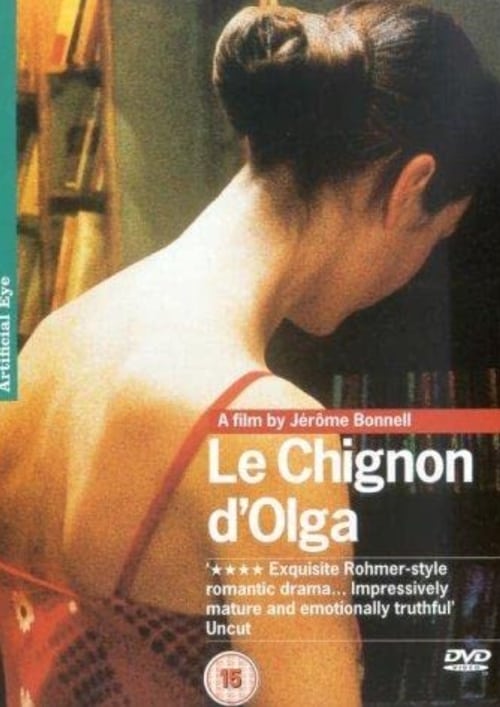
Jérôme Bonnell
Runtime
96 minutes
Average Rating
No ratings yetNew Showbiz Analysis
Le Chignon d'Olga is a localized character study that prioritizes psychological intimacy over broad demographic representation. It successfully challenges traditional gender stereotypes by presenting a protagonist defined by vulnerability and emotional fragility. However, the film remains limited by its homogeneous setting and lack of racial or LGBTQ+ visibility. The narrative stays within conventional social and romantic frameworks, providing little representation for diverse identities. Ultimately, the film's value lies in its exploration of internal, psychological landscapes rather than its ability to reflect a diverse social spectrum.
Category Breakdown
The film focuses on heterosexual relationships and platonic friendships without featuring any explicit LGBTQ+ characters or narratives that question traditional romantic structures.
The story challenges traditional masculinity by showing Julien as vulnerable and emotionally stagnant. He is portrayed as a reactive character rather than a stable leader.
Set in rural France, the film depicts a homogeneous social environment without any intentional racial diversity among the cast or settings.
The story emphasizes personal morality and the breakdown of the family unit, favoring a secular, character-driven approach over institutional or religious guidance.
The film explores internal struggles through the psychological impact of grief. Julien's melancholy serves as a character study rather than a focused exploration of neurodivergence or disability.
Present on Screen
Limited or Absent
Official Synopsis
Julien and Emma are brother and sister, living in rural France with their father, who writes children's books. Julien is a gifted pianist but the loss of his mother has sucked the joie de vivre out of him; his best friend Alice knows it although their platonic relationship is more about him supporting her in bad relationship choices than anything else. When he sees a beautiful woman called Olga in a bookstore, Julien is smitten and sets about to set up someway of impressing her and winning her affection.
1999

1990

2012

2018
2009

2009

2002
2005
No reviews yet. Be the first to share your thoughts on this movie!
Use the rating form above to leave a star rating and optional review.