Mademoiselle Chambon
2009
No user ratings available yet
Representation score: 5.4 out of 10
Representation Score
Limited
1999
Director
Arnaud Larrieu, Jean-Marie Larrieu
Runtime
65 minutes
Average Rating
No ratings yetNew Showbiz Analysis
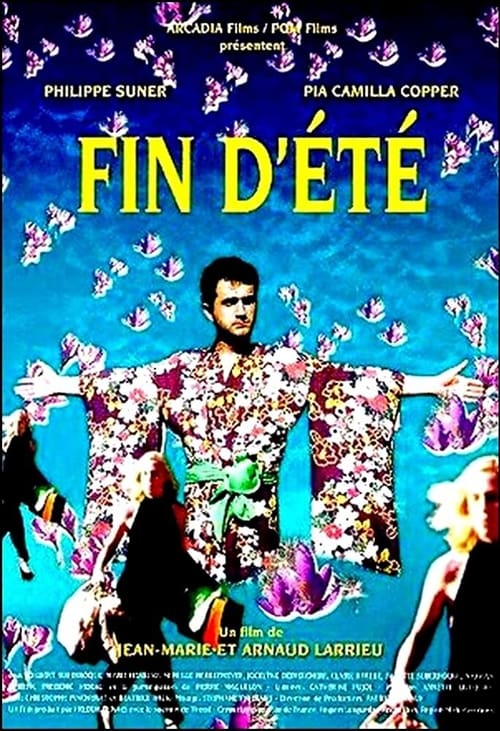
Fin d'été is a character-driven study rooted in postmodern existentialism rather than identity politics. It finds its progressive stance by deconstructing traditional masculine achievement and validating non-conformist lifestyles. The film lacks significant racial and LGBTQ+ visibility, remaining largely within traditional social and romantic frameworks. However, it succeeds in portraying characters who exist on the periphery of organized society. Ultimately, the work's strength lies in its refusal to follow achievement-oriented clichés, instead embracing a more fluid and aimless way of being.
Category Breakdown
The story centers on traditional romantic tension between Edouard and Diana. It lacks explicit representation of non-binary gender identities or narratives that actively challenge traditional romantic frameworks.
The film challenges typical masculine stereotypes by featuring protagonists who lack conventional ambition or professional stability. This portrayal focuses more on existential stagnation than a direct critique of gender roles.
The setting and cast reflect a homogeneous, provincial French environment. There is no significant evidence of racial blending or diverse identities used to challenge historical norms.
Gilbert’s life as a former activist living in isolation offers a critique of capitalist productivity. The narrative prioritizes subjective experience and social detachment over mainstream societal participation.
There is no discernible evidence regarding the portrayal of physical or neurodivergent disabilities within the film.
Present on Screen
Limited or Absent
Official Synopsis
Edouard, unemployed computer technician, invites Diana, a young student from England, to spend a weekend in the Noire Mountain. At dusk, they arrive at Gilbert’s place. A former 60’s activist who lives in the forest, Gilbert has decided to drop everything and to offer Edouard his house. Edouard accepts the offer, tries to convince Diana to stay, and discovers that, perhaps, Gilbert is his father.
2009

2018
2001
1996

2024

2008
1977

2005
No reviews yet. Be the first to share your thoughts on this movie!
Use the rating form above to leave a star rating and optional review.