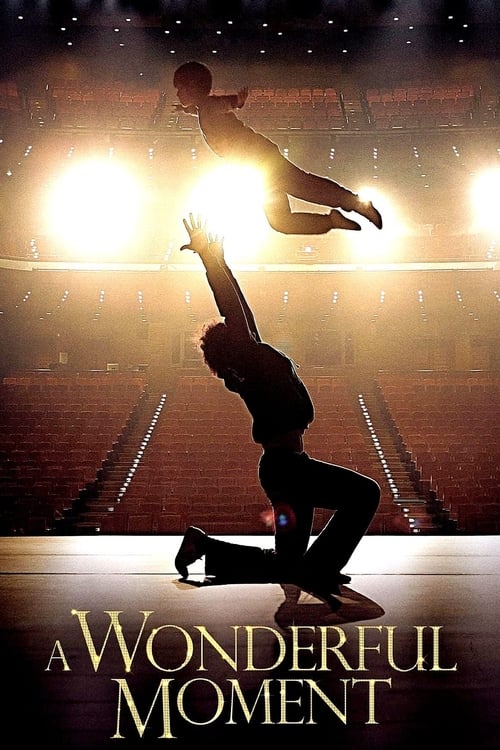
A Wonderful Moment
2013
No user ratings available yet
Representation score: 4.0 out of 10

Representation Score
Good
2020
PG-13Director
Dror Zahavi
Runtime
107 minutes
Average Rating
No ratings yetNew Showbiz Analysis
Crescendo excels in exploring ethnic intersectionality through the friction between Israeli and Palestinian musicians, providing a rich layer of diversity and social commentary. However, the film falls short in representing LGBTQ+ and disability issues, which remain secondary to the primary psychological drama. The film's strength lies in its subversion of social hierarchies and gendered expectations, yet it remains narrowly focused on professional and ethnic tensions, limiting its scope in addressing broader identity-based narratives.
Category Breakdown
The film focuses on psychological tension and interpersonal conflict rather than explicit LGBTQ+ identities. Non-traditional gender narratives do not significantly influence the plot, making these representations secondary to the overall themes of societal breakdown.
The story disrupts traditional gender hierarchies by emphasizing volatile power dynamics between male and female musicians. It challenges conventional ideas of gendered behavior rather than reinforcing typical male or female leadership roles.
By centering an Israeli-Palestinian youth orchestra, the film explores the intersection of ethnic identities. The musicians' active role in navigating these tensions offers a nuanced perspective on identity politics within a competitive environment.
The film examines postmodern themes through the lens of social instability and the erosion of authority. It portrays a moral relativism where the breakdown of social norms is seen as an inevitable outcome of confinement.
There is no significant representation of neurodivergent or physical disabilities that serve as central narrative drivers. Characters are defined by their professional status and psychological conditions rather than by visible or invisible disabilities.
Present on Screen
Limited or Absent
Official Synopsis
When world-famous conductor Eduard Sporck accepts the job to create an Israeli-Palestinian youth orchestra, he is quickly drawn into a tempest of sheer unsolvable problems.
2013
2015
2023
2009

1997
1998
2017

2022
No reviews yet. Be the first to share your thoughts on this movie!
Use the rating form above to leave a star rating and optional review.