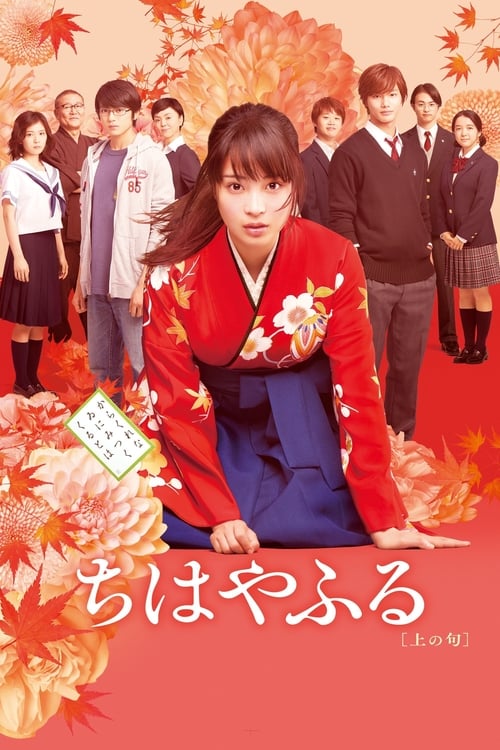
Chihayafuru: Part I
2016
No user ratings available yet
Diversity score: 2.6 out of 10
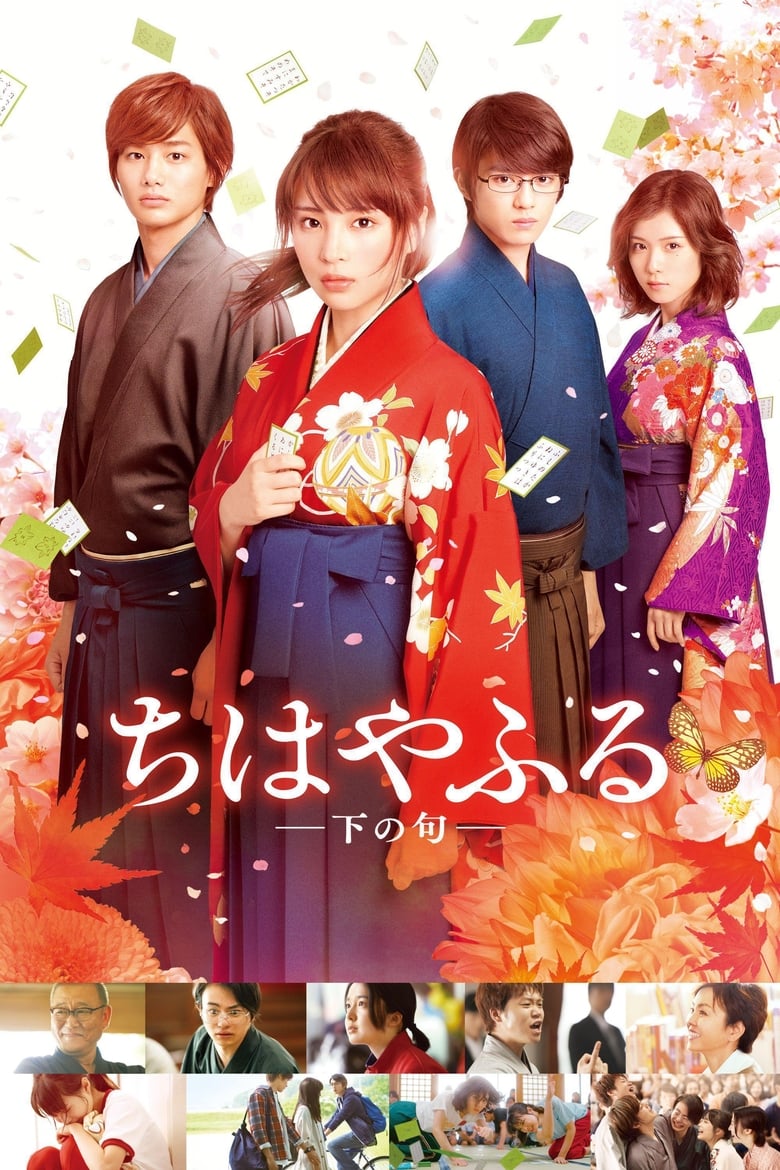
2016
Director
Norihiro Koizumi
Runtime
112 minutes
Average Rating
No ratings yetSynopsis
After successfully won the Tokyo qualifying tournament, Chihaya and her friends are set to go on to the nationals. As they prepare, Chihaya is faced with new personal issues as her childhood friend and inspiration, Arata, has announced that he has quit competitive karuta. Not only that, but a new rival emerges in the reigning female champion karuta player, Shinobu Wakamiya, a karuta prodigy who became the nation's and the world's greatest female karuta player as a 9th grader. All of this forces Chihaya to reexamine her love of the game in the midst of preparing for one of the biggest tournaments of the year.
Overall Score
Limited
Category Breakdown
LGBTQ+ Representation
The film lacks LGBTQ+ characters or non-heteronormative relationship arcs. Interpersonal dynamics remain within conventional romantic structures without subtextual critiques of heteronormativity.
Gender Representation
Chihaya Ayase provides strong representation by leading a high-stakes, intellectually demanding sport with significant agency. However, her development is often contextualized through relationships with male characters.
Racial & Ethnic Diversity
The cast is homogeneous, reflecting the contemporary Japanese setting of the source material. The narrative adheres to a traditional demographic baseline without intentional ethnic blending.
Religious & Cultural Diversity
The story celebrates Japanese heritage through the discipline of Karuta. It reinforces the value of traditional institutions like family and school clubs as pillars for growth.
Disability Representation
There are no visible or invisible disabilities portrayed. No character arcs are defined by physical impairment or neurodivergence.
Strengths
Areas for Improvement
AI Analysis
Chihayafuru: Part II is a character-driven drama centered on the meritocratic pursuit of skill within the world of competitive Karuta. It succeeds in presenting a female protagonist who possesses mental fortitude and agency in a demanding athletic space. However, the film operates within a traditional framework. It prioritizes cultural authenticity and established social norms rather than exploring intersectional identities or deconstructing social hierarchies. While the film is a faithful celebration of Japanese cultural arts, it remains demographically narrow and avoids exploring diverse social or identity-based perspectives.
2016
2001

1996
2018
No reviews yet. Be the first to share your thoughts on this movie!
Use the rating form above to leave a star rating and optional review.