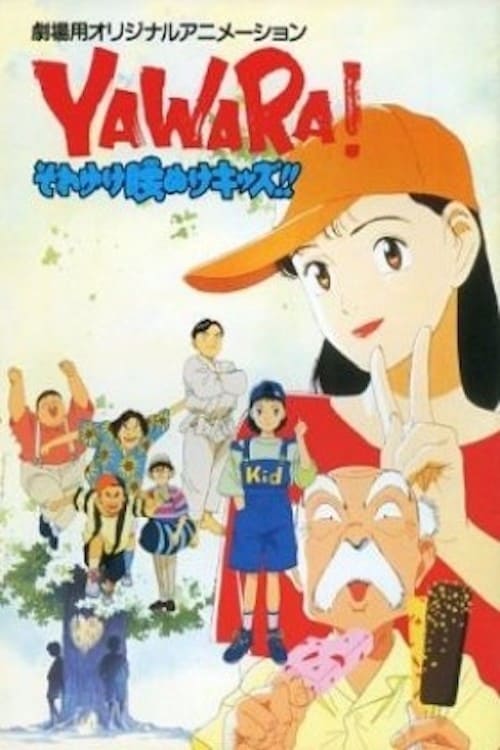
Yawara! Go Get 'Em, Wimpy Kids!!
1992
No user ratings available yet
Representation score: 5.5 out of 10

Representation Score
Fair
1996
Director
Morio Asaka
Runtime
93 minutes
Average Rating
No ratings yetNew Showbiz Analysis
Yawara! Atlanta Special stands out by challenging traditional gender roles through a powerful female athlete. The protagonist's strength and strategic thinking offer a modern perspective on gender roles. However, the film remains rooted in the cultural context of Japan, lacking broader racial or diverse representation. It focuses on individual achievement and traditional values without engaging with systemic critiques or non-traditional identities.
Category Breakdown
The film follows a traditional storyline centered around straight relationships and does not include any characters with non-traditional gender identities or sexual orientations.
The main character, Yawara Inokuma, challenges traditional gender roles by being a powerful female athlete in a male-dominated sport. She demonstrates strong physical abilities and strategic thinking, which typically align with male stereotypes.
The film focuses on a Japanese cultural context with a predominantly homogenous cast. It does not feature significant racial or ethnic diversity, concentrating instead on a domestic sporting theme.
The movie highlights traditional values such as discipline, meritocracy, and perseverance within a Japanese cultural framework. It uses the Olympic setting to emphasize individual achievement without addressing broader systemic issues.
There is no indication of characters with visible or invisible disabilities in the provided context.
Present on Screen
Limited or Absent
Official Synopsis
Yawara Inokuma competes for Japan in the Atlanta Olympic Games as she meets with several familiar faces throughout the tournament.
1992

2022
2017
1993
2003
2017

2024

2007
No reviews yet. Be the first to share your thoughts on this movie!
Use the rating form above to leave a star rating and optional review.