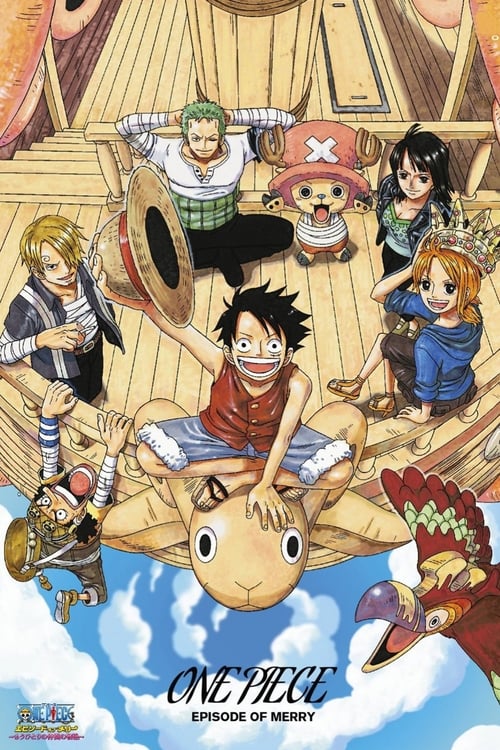
One Piece Episode of Merry: The Tale of One More Friend
2013
No user ratings available yet
Representation score: 8.0 out of 10
Representation Score
Good
2008
TV-PGDirector
Junji Shimizu
Runtime
113 minutes
Average Rating
No ratings yetNew Showbiz Analysis
This animated special uses non-human identities to explore themes of belonging and systemic exclusion. By focusing on Chopper’s medical philosophy, the film delves into the social implications of biological frailty. While the narrative effectively uses metaphors for 'otherness,' it adheres to traditional genre clichés. Gender and LGBTQ+ identities remain conventional and largely unexplored. The film's strength lies in its empathetic portrayal of medical issues and its sophisticated use of character biology to mirror real-world social exclusion.
Category Breakdown
The film doesn't include explicit LGBTQ+ identities or same-sex relationships. It focuses on friendships and professional bonds within traditional social structures.
Nami plays a central role in driving the plot through her illness. However, the power dynamics remain dominated by men, offering limited challenges to traditional gender roles.
The story uses non-human species to represent social outsiders. Chopper’s journey for acceptance reflects the experiences of underrepresented groups.
Drum Island's economic struggles highlight systemic inequality. The narrative emphasizes community healing over individual martial prowess.
The film explores physical vulnerability and illness with depth. It examines the psychological burden of feeling 'unfit' in a society that values physical strength.
Present on Screen
Limited or Absent
Official Synopsis
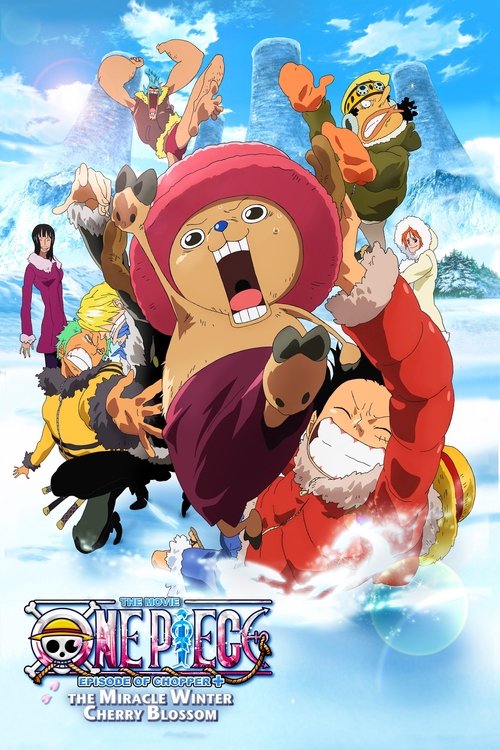
When Nami falls ill, the Straw Hats seek medical care for her on Drum Island. There they meet reindeer doctor Tony Tony Chopper and the Wapol Pirates.
2013
2007

2012
2016

2003
2015
2010
2018
No reviews yet. Be the first to share your thoughts on this movie!
Use the rating form above to leave a star rating and optional review.