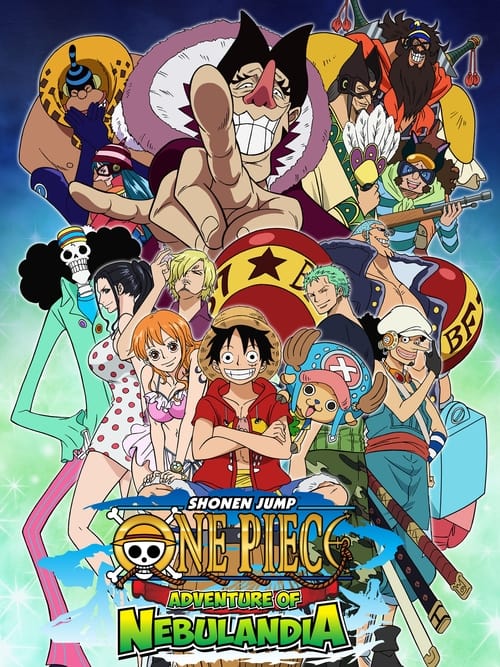
One Piece: Adventure of Nebulandia
2015
No user ratings available yet
Representation score: 8.7 out of 10

Representation Score
Excellent
2003
Director
Konosuke Uda
Runtime
46 minutes
Average Rating
No ratings yetNew Showbiz Analysis
The special stands out in its subversion of traditional gender roles and its rejection of monolithic racial norms. By incorporating a wide range of fantasy races, the film fosters a rich tapestry of identity that challenges conventional casting standards. Despite this, the representation remains somewhat superficial when it comes to specific identity groups. The lack of overt LGBTQ+ visibility and the absence of disability-focused narratives limit the film’s overall score in these categories. Ultimately, the film’s strength lies in its anti-authoritarian themes and its commitment to a diverse, multi-species cast that prioritizes individual ability to act over institutional conformity.
Category Breakdown
The special does not focus on LGBTQ+ identities or same-sex relationships. Instead, it centers on a theatrical conflict involving Marines.
Female characters such as Nami and Nico Robin play key roles in combat and leadership, avoiding passive roles.
The film uses various fantasy races and physical types to represent a diverse, multi-ethnic society.
The narrative portrays pirates as freedom fighters against the Marines, emphasizing individual liberty and artistic passion.
The film does not focus on visible or invisible disabilities. Character designs emphasize combat skills rather than neurodivergence or chronic illness.
Present on Screen
Limited or Absent
Official Synopsis
Aired after Episode 174 - It is the last performance of a great actor and playwright, but several actors suddenly quit. Luckily, the Straw Hats offer to take their place. However, the quitting actors turns out to be more than a coincidence when they meet a Marine with a grudge against the playwright.
2015

2003

2012
2007
2013
2010

2008

2018
No reviews yet. Be the first to share your thoughts on this movie!
Use the rating form above to leave a star rating and optional review.