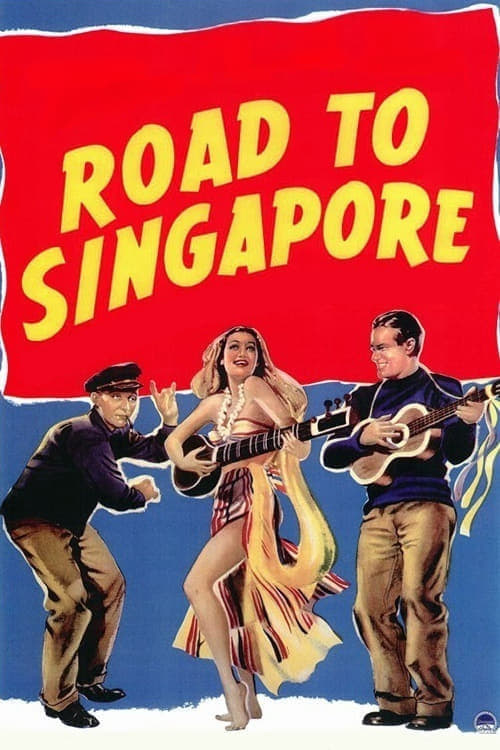
Road to Singapore
1940
No user ratings available yet
Representation score: 0.7 out of 10
Representation Score
Limited
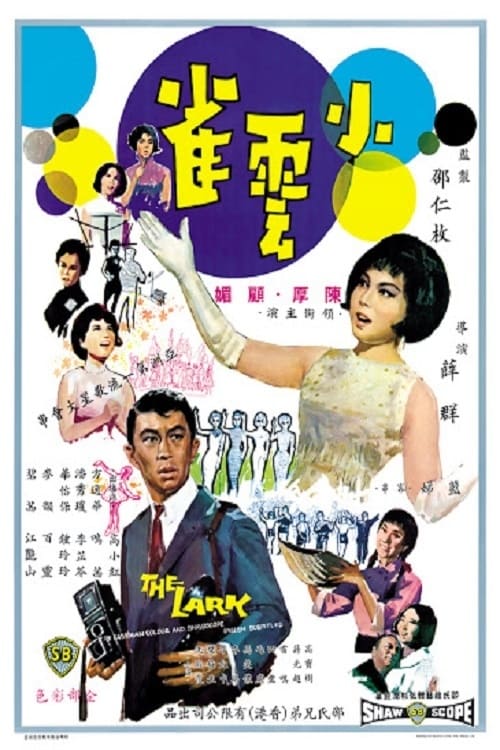
1965
Director
Sit Kwan
Runtime
110 minutes
Average Rating
No ratings yetNew Showbiz Analysis
The Lark is a quintessential product of mid-1960s Hong Kong musical cinema, prioritizing melodic escapism and romantic clichés. While it offers a platform for a female lead to drive a professional narrative, the film's structure remains firmly rooted in the traditionalist formulas of its era. The film lacks complexity or systemic challenges. It functions as a standard genre piece reflecting the demographic and social realities of its production context without attempting to deconstruct social hierarchies. Ultimately, the film celebrates professional aspirations and urban harmony rather than challenging established norms or providing progressive social commentary.
Category Breakdown
The film follows traditional romantic clichés typical of 1960s Cantonese musical comedies. There is no representation of LGBTQ+ identities or challenges to the assumption that everyone is straight or cisgender.
Xiaoyun Shi drives the story through her professional ambitions, showing women's ability to drive the narrative. However, the musical romance genre often reinforces traditional roles by linking success to romantic fulfillment.
The production features an all-Asian cast consistent with its regional setting. While the protagonist travels through various Asian countries, the focus remains on a localized cultural experience.
The film serves as musical escapism celebrating the burgeoning Hong Kong urban culture. It prioritizes traditional entertainment values and conventional moral structures over broader social critique.
There is no mention of characters with visible or invisible disabilities in the narrative.
Present on Screen
Limited or Absent
Official Synopsis
A musical staring Carrie Ku Mei as a singer named Xiaoyun Shi, who comes to Hong Kong after a tour of other Asian countries, hoping to develop her career.
1940

2017
1956
1965

1953

1949

1937

1965
No reviews yet. Be the first to share your thoughts on this movie!
Use the rating form above to leave a star rating and optional review.