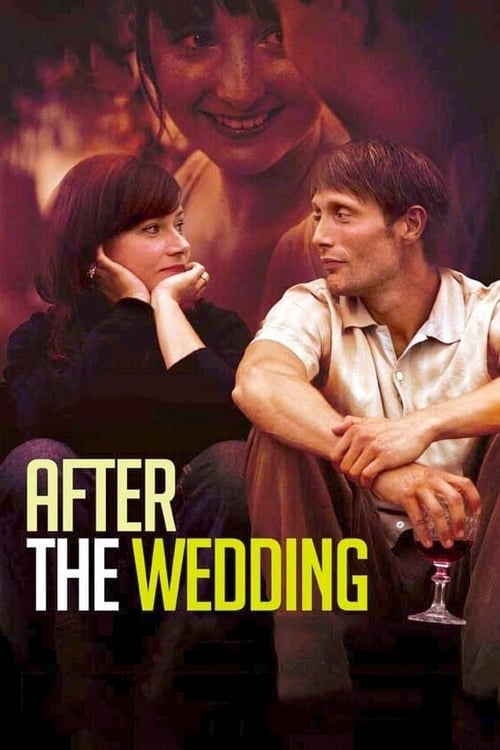
After the Wedding
2006
No user ratings available yet
Representation score: 2.7 out of 10

Representation Score
Good
2010
RDirector
Susanne Bier
Runtime
118 minutes
Average Rating
No ratings yetNew Showbiz Analysis
Susanne Bier’s drama effectively dismantles the divide between 'civilized' and 'chaotic' societies. By intertwining Danish social structures with the experiences of African refugees, the film provides a nuanced critique of how violence affects all societal levels. The film excels in its refusal to rely on simple, Western-centric moral frameworks. Instead, it prioritizes empathy and complex human experiences over straightforward storytelling or institutional retribution. However, the film remains confined by its focus on traditional heterosexual structures and its reliance on psychological trauma as a primary narrative driver.
Category Breakdown
The film does not include any LGBTQ+ characters or non-cisgender identities. It focuses solely on heterosexual family dynamics and interactions between men and women.
The story challenges traditional gender roles by emphasizing the influence of female characters. Masculinity is portrayed through vulnerability and erratic behavior rather than stable leadership.
By comparing Danish social structures with the experiences of African refugees, the film explores overlapping racial and cultural power dynamics. This approach goes beyond including someone from a minority group without giving them real depth to integrate diverse perspectives into the main storyline.
The narrative questions Western ideas of order and retribution, presenting 'eye-for-an-eye' justice as a systemic flaw. It delves into subjective morality and the erosion of established social norms.
The film examines the hidden disabilities of trauma and grief. However, these emotional states often serve as catalysts for conflict rather than as central identities with independent ability to act.
Present on Screen
Limited or Absent
Official Synopsis
The lives of two Danish families cross each other, and an extraordinary but risky friendship comes into bud. But loneliness, frailty and sorrow lie in wait.
2006
2018

2007

2002

2013

2007

2012
2012
No reviews yet. Be the first to share your thoughts on this movie!
Use the rating form above to leave a star rating and optional review.