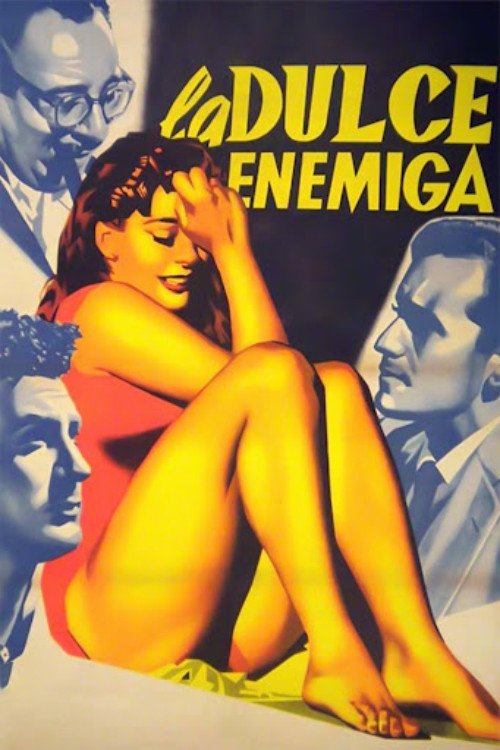
La dulce enemiga
1957
No user ratings available yet
Representation score: 3.3 out of 10
Representation Score
Fair
1947
Director
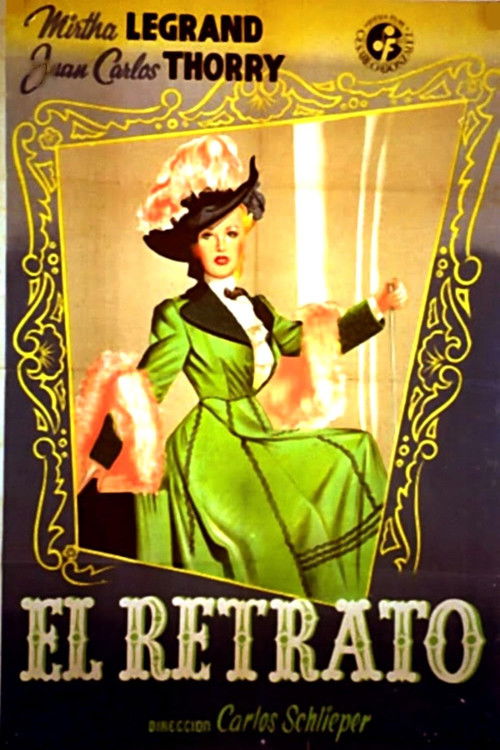
Carlos Schlieper
Runtime
75 minutes
Average Rating
No ratings yetNew Showbiz Analysis
Carlos Schlieper’s comedy uses a supernatural premise to disrupt domestic stasis. While the film operates within the constraints of 1940s studio cinema, it uses genre-bending elements to challenge rigid gender hierarchies. The film's strength lies in its critique of social decorum through its central conceit. By allowing a lewd spirit to inhabit a repressed woman, the story pushes against the era's restrictive expectations of femininity. However, the work remains limited by the period's mainstream production standards. It lacks visible multi-layered casting and shows no evidence of LGBTQ+ representation or disability inclusion.
Category Breakdown
The narrative focuses on heterosexual struggles between repression and desire. There is no explicit evidence of same-sex intimacy or non-binary gender identities.
The film challenges traditional feminine archetypes by presenting a sexually assertive spirit instead of a repressed persona. This disrupts the mid-century constraints on women's roles and social norms.
The production likely reflects the demographic homogeneity of the Argentine Golden Age. It appears to focus on Eurocentric aesthetic standards typical of the era.
A fantasy element critiques stifling conventional morality and social respectability. The grandmother's uninhibited behavior acts as a disruptive force against traditional household structures.
There is no evidence of characters with physical or neurodivergent disabilities in this work.
Present on Screen
Limited or Absent
Official Synopsis
A repressed woman, unable to give love, is possessed by the spirit of her lewd grandmother.
1957
1976
1948
1948
1945
1950

1973

1951
No reviews yet. Be the first to share your thoughts on this movie!
Use the rating form above to leave a star rating and optional review.