
Kongo
2020
No user ratings available yet
Representation score: 5.7 out of 10

Representation Score
Good
2017
Director
Giulio Squillacciotti, Camilla Insom
Runtime
61 minutes
Average Rating
No ratings yetNew Showbiz Analysis
Archipelago is a significant ethnographic work that disrupts conventional Western storytelling. By focusing on the metaphysical realities of the Horn of Africa and the Middle East, the film challenges the dominance of secular rationalism. The documentary prioritizes indigenous ability to act, allowing subjects to define their own relationships with the unseen. While the film excels in ethnic and cultural representation, it remains neutral regarding specific LGBTQ+ identities and disability representation.
Category Breakdown
The film touches on relationships and spiritual connections but does not explicitly confirm LGBTQ+ identities. It explores non-traditional social structures that could provide a framework for discussing non-straight relationships.
Both men and women serve as the main storytellers in the documentary. This structure allows viewers to see the roles and ability to act of different genders within specific spiritual and cultural contexts.
The documentary focuses on voices from the Horn of Africa and the Middle East. By prioritizing these ethnic identities as primary narrators, the film challenges the traditional Western ethnographic perspective.
The narrative challenges Western secularism by highlighting spiritual and supernatural elements. It presents regional beliefs in demons and spirits as integral parts of the human experience.
There is no specific evidence showing the portrayal of physical or neurodivergent disabilities within the film's narrative.
Present on Screen
Limited or Absent
Official Synopsis
Men and women in the Horn of Africa and adjiacent regions of the Middle East tell stories of their relationships and contacts with demons and spirits in their life and culture.
2020

2004

1948

2017

1975
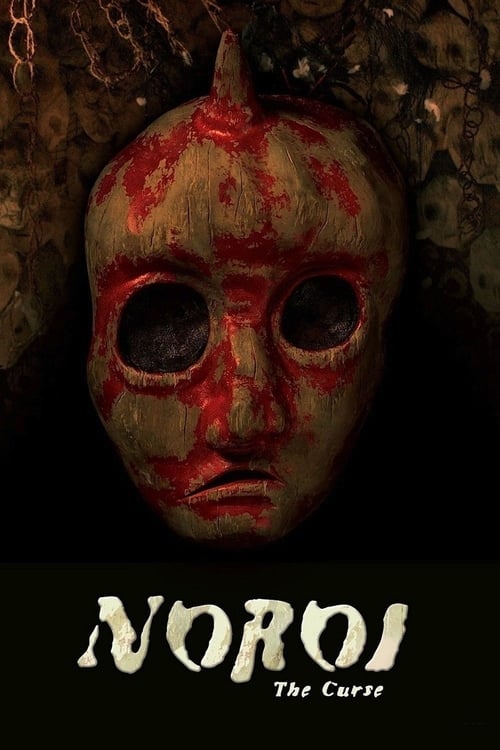
2005

2015

1985
No reviews yet. Be the first to share your thoughts on this movie!
Use the rating form above to leave a star rating and optional review.