
Postcard to Daddy
2010
No user ratings available yet
Representation score: 4.0 out of 10
Representation Score
Excellent
1982
Director
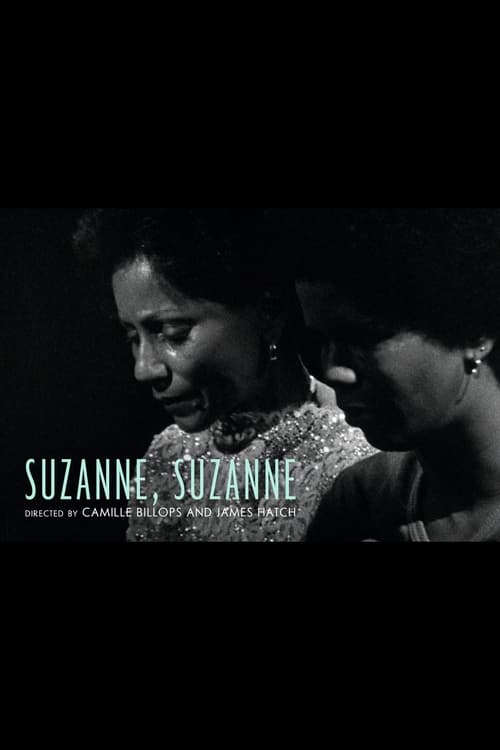
Camille Billops, James Hatch
Runtime
26 minutes
Average Rating
No ratings yetNew Showbiz Analysis
Suzanne, Suzanne is a groundbreaking film that uses an experimental, non-linear structure to challenge traditional documentary methods. By shifting away from objective historical records, the film adopts a nuanced, identity-focused approach. The work stands out by emphasizing the ability to act of Black women and dismantling conventional familial and institutional norms. It provides a sophisticated examination of how race, gender, and trauma intersect within the context of domestic life. While the film excels in racial and gender storytelling, it offers less specific engagement with LGBTQ+ narratives or physical disabilities, focusing instead on the psychological impacts of systemic trauma.
Category Breakdown
The film does not explicitly address LGBTQ+ identities or non-traditional gender expressions. While its experimental style allows for broad identity exploration, specific stories about LGBTQ+ individuals are missing.
The film challenges traditional gender roles by highlighting the experiences of Black women. It offers a nuanced look at gendered violence and domestic life, giving the main characters significant influence over their emotional journeys.
This film focuses intensely on the Black experience, avoiding a white-centric perspective. It uses personal footage and historical images to emphasize the importance of Black female heritage as the primary viewpoint for understanding history.
The film questions Western social norms by breaking down the idealized nuclear family. It emphasizes subjective truths and moral complexity over traditional, singular Western morality.
While physical disabilities are not a focus, the film deeply explores mental health issues. It portrays substance abuse and trauma as complex responses to broader societal conditions.
Present on Screen
Limited or Absent
Official Synopsis
This poignant documentary profiles a young black woman's struggle to confront the legacy of a physically abusive father and her headlong flight into drug abuse. Suzanne, after years of physical and psychological abuse, is compelled to understand her father's violence and her mother's passive complicity, who suffered at her husband's hands as well, as the keys to her own self-destruction. After years of silence, Suzanne and her mother are finally able to share their painful experiences with each other in an intensely moving moment of truth.
2010

2020

2018

2023
2019

2015

2024
2017
No reviews yet. Be the first to share your thoughts on this movie!
Use the rating form above to leave a star rating and optional review.