Saint Maud
2020
No user ratings available yet
Representation score: 7.9 out of 10
Representation Score
Good
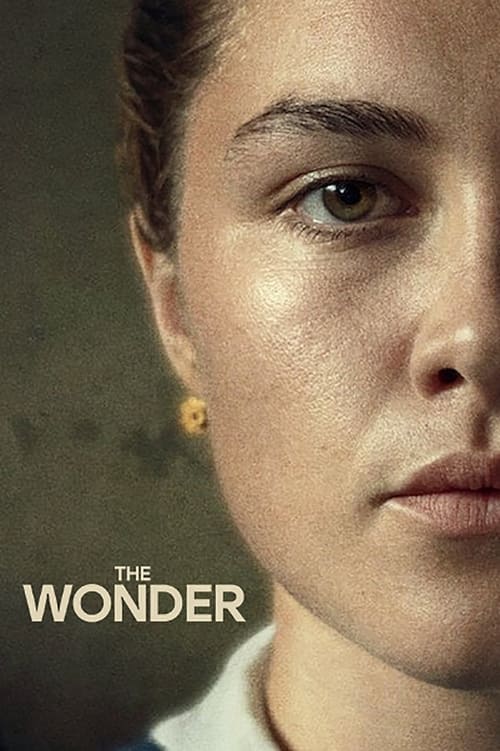
2022
RDirector
Sebastián Lelio
Runtime
108 minutes
Average Rating
No ratings yetNew Showbiz Analysis
The Wonder stands out as a sophisticated critique of institutional power, using its period setting to challenge traditional social structures. It excels by subverting gender hierarchies and prioritizing the ability to act of its female lead. Despite the absence of explicit LGBTQ+ or racial diversity, the film delves into the conflict between scientific empiricism and religious hegemony. It effectively deconstructs the perceived infallibility of Western social institutions. Ultimately, the film’s strength lies in its use of a specific historical framework to explore complex themes of identity, trauma, and systemic oppression.
Category Breakdown
The film does not include any LGBTQ+ characters or narratives. The story focuses on ideological and personal conflicts among the main characters.
Lib Wright is portrayed as a strong female protagonist driven by professional expertise and medical evidence. The narrative challenges 19th-century hierarchies by emphasizing female-led inquiry and intellectual authority.
Set in 1862 Ireland, the film reflects its historical context. It explores identity through the Protestant-Catholic divide, using religious and colonial tensions as proxies for power struggles.
The film provides a critical look at organized religion and communal dogma. It portrays religious fundamentalism as a tool for social conformity rather than a source of moral clarity.
The story includes psychological trauma and potential dissociative states in the child character. These elements are woven into the mystery plot rather than presented as standalone disability depictions.
Present on Screen
Limited or Absent
Official Synopsis
Haunted by her past, a nurse travels from England to a remote Irish village in 1862 to investigate a young girl's supposedly miraculous fast.
2020
1985

2015
2020
2018

2018

2021
2017
No reviews yet. Be the first to share your thoughts on this movie!
Use the rating form above to leave a star rating and optional review.