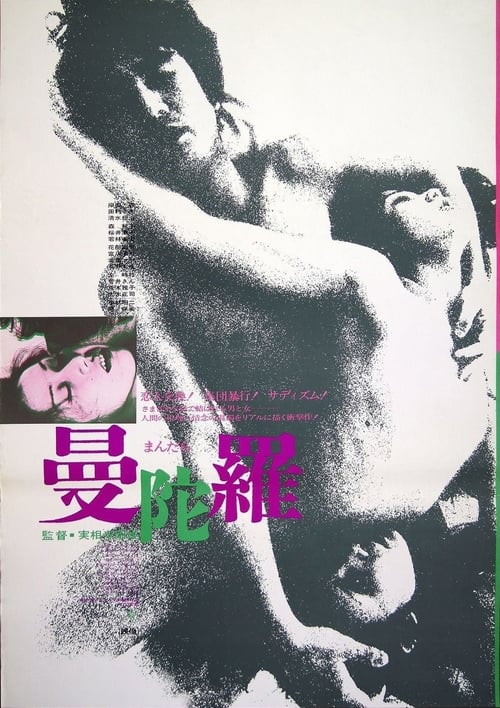
Mandala
1971
No user ratings available yet
Representation score: 6.6 out of 10
Representation Score
Fair
1969
Director
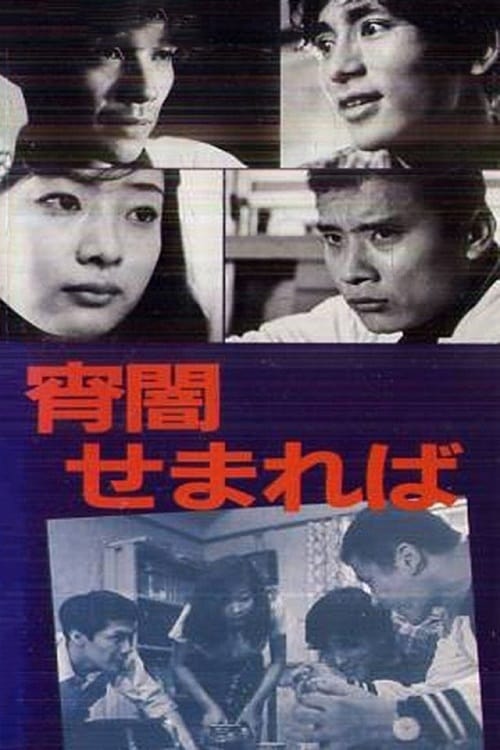
Akio Jissoji
Runtime
43 minutes
Average Rating
No ratings yetNew Showbiz Analysis
Akio Jissoji’s film is a psychological study of social alienation and existential ennui. It focuses on a small group of youths whose boredom leads to character disintegration through dangerous games. The film lacks demographic breadth, functioning instead as a localized social microcosm. It prioritizes psychological erosion and the breakdown of social cohesion over explicit representation of diverse identities. While the work offers a subtle critique of conventional societal contentment, it remains rooted in the cultural homogeneity of its era.
Category Breakdown
The film does not include any visible representations of LGBTQ+ identities or queer subtext.
The student ensemble breaks away from traditional patriarchal hierarchies, but it's unclear if the film actively challenges gender roles or merely uses them for character development.
As a 1969 Japanese production, the film operates within a culturally homogeneous framework and lacks multi-layered casting found in modern media.
The narrative critiques social stability by focusing on existential boredom and dangerous games, reflecting skepticism toward traditional societal norms.
There are no identifiable depictions of physical or neurodivergent disabilities within the narrative.
Present on Screen
Limited or Absent
Official Synopsis
Bored by the emptiness of everyday life, four students gather to play dangerous games in an apartment.
1971
2005

1969

2014

2018
2020
1970

1969
No reviews yet. Be the first to share your thoughts on this movie!
Use the rating form above to leave a star rating and optional review.