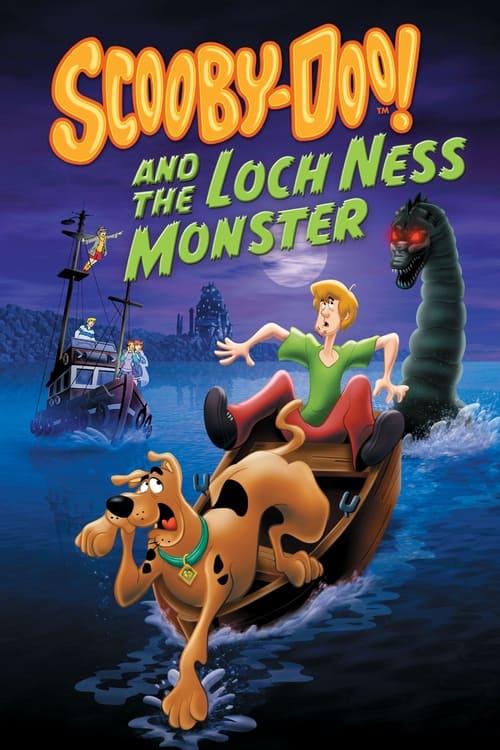
Scooby-Doo! and the Loch Ness Monster
2004
No user ratings available yet
Representation score: 1.7 out of 10
Representation Score
Limited
1988
Not RatedDirector
Charles August Nichols
Runtime
93 minutes
Average Rating
No ratings yetNew Showbiz Analysis
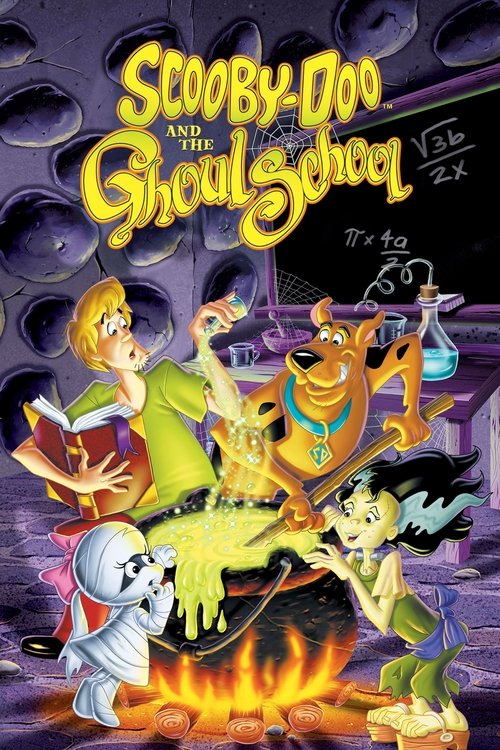
This animated feature uses monster mythology to explore themes of community and 'otherness.' By populating the school with various supernatural entities, the film creates a mosaic of outsiders, though these identities remain metaphorical rather than human-centric. The narrative functions as a conventional 1980s period piece, relying on established clichés to reinforce traditional notions of heroism and the benevolence of institutional authority, such as the Headmistress. Ultimately, the film avoids progressive socio-political critiques and does not challenge existing social hierarchies or engage with real-world diversity.
Category Breakdown
The film does not include any LGBTQ+ characters or explore non-straight relationships. The character interactions focus on traditional friendships and teamwork.
The story centers around an all-girls finishing school, providing a unique setting. Female characters and Velma play significant roles in the mystery-solving process, but their roles follow typical 1980s animation conventions.
The narrative uses vampire and mummy archetypes as metaphors for outsiders. However, it does not engage with real-world human racial or ethnic diversity.
The story follows traditional Western storytelling structures and reinforces institutional authority. It presents a moralistic world without questioning religion or Western social institutions.
There is no intentional depiction of physical or invisible disabilities. Supernatural traits function as plot devices rather than nuanced explorations of neurodivergence or disability.
Present on Screen
Limited or Absent
Official Synopsis
Scooby, Shaggy and Scrappy are on their way to Miss Grimwood's Finishing School for Girls, where they've been hired as gym teachers. Once there, however, they find that not only is it actually an all-girl school of famous monsters' daughters but there's a villainess out to enslave the girls.
2004
1987
2014
2006
2005
1999
2021
2007
No reviews yet. Be the first to share your thoughts on this movie!
Use the rating form above to leave a star rating and optional review.