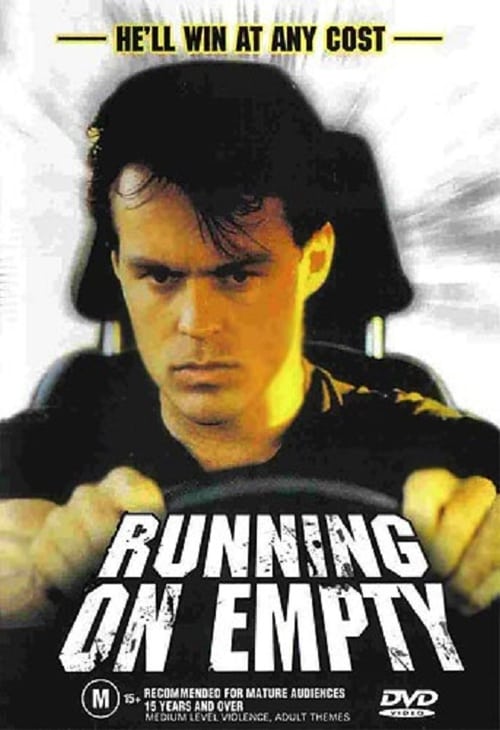
Running on Empty
1982
No user ratings available yet
Representation score: 2.3 out of 10
Representation Score
Limited
1986
PG-13Director
David Winters
Runtime
93 minutes
Average Rating
No ratings yetNew Showbiz Analysis
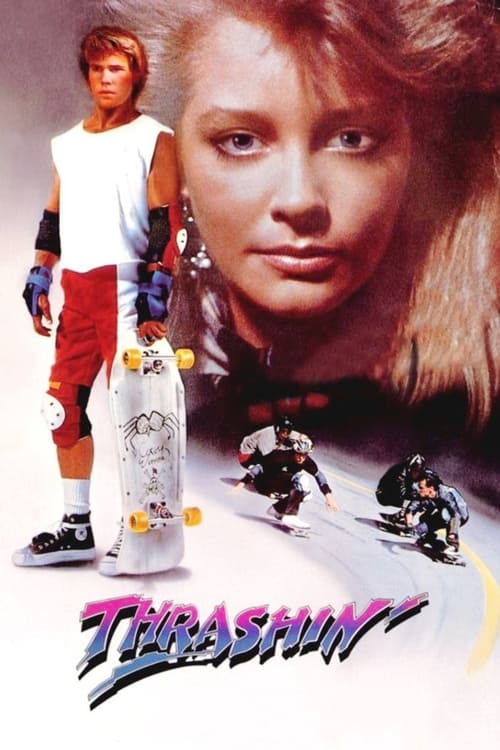
Thrashin' serves as a time capsule for 1980s skate culture, prioritizing subcultural aesthetics over deep social exploration. The film relies heavily on established genre clichés, such as rival gangs and rebellious youth, which reinforce traditional social hierarchies. While the Venice Beach setting provides a diverse backdrop, the narrative fails to translate this environment into meaningful character-driven stories. The focus remains on individualistic conflict and conventional romantic motivations rather than systemic or identity-based critiques. Ultimately, the film functions within the standard social scripts of its era, offering a window into a specific lifestyle without disrupting or questioning the status quo.
Category Breakdown
The film follows a strictly straight-focused structure. The plot centers on a traditional romance between Corey and Chrissy, with no presence of same-sex relationships or non-binary gender identities.
Narrative ability to act is largely tied to male-dominated spaces like skate racing. While Chrissy is a central figure, her role is primarily defined by her relationships with the male leads.
The setting utilizes the multi-ethnic landscape of Venice Beach. However, the film avoids engaging with racial identity or systemic power dynamics, focusing instead on subcultural aesthetics.
The story relies on standard adolescent rebellion clichés. It avoids critiques of Western institutions, focusing instead on the localized social order and moral binaries of the skate community.
There is no representation of visible or invisible disabilities. The characters are defined by physical athleticism, with no narrative focus on neurodivergence or chronic illness.
Present on Screen
Limited or Absent
Official Synopsis
Corey and his band of skater buddies sometimes make mischief, but they're more interested in girls and having fun on their boards than in getting into any real trouble. Notorious enemy crew the Daggers, led by Tommy Hook, get their kicks terrorizing the locals at Venice Beach. When Corey starts dating Tommy's kid sister Chrissy, the Daggers are furious. The boys then take their beef to the "L.A. Massacre," a deadly skate race down a canyon road.
1982

1998

1992

1989
1988
1975
1978
1986
No reviews yet. Be the first to share your thoughts on this movie!
Use the rating form above to leave a star rating and optional review.