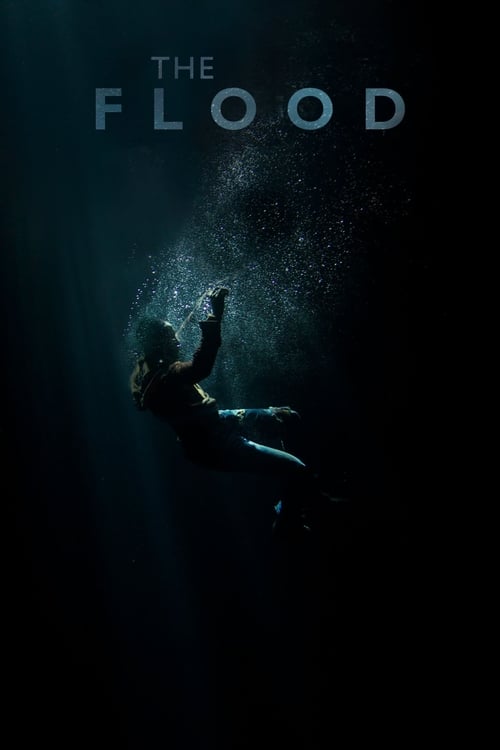
The Flood
2019
No user ratings available yet
Representation score: 3.6 out of 10

Representation Score
Good
2009
Director
Tony Ayres
Runtime
89 minutes
Average Rating
No ratings yetNew Showbiz Analysis
Saved is a sophisticated study of identity politics that moves beyond simple representation. It effectively navigates the friction between systemic structures, such as religious institutions, and the individual's search for authenticity. The film excels at exploring the intersection of queer identity and religious dogma, challenging traditional Western moral frameworks and examining how social hierarchies impact personal ability to act. While the film provides a realistic portrayal of contemporary Australian multicultural demographics, the focus remains primarily on the psychological and social tensions surrounding religious and sexual identity.
Category Breakdown
The film places a protagonist at the intersection of religious dogma and queer identity, critiquing the rigidity of traditional social structures through the lens of self-actualization.
The narrative explores how young men are socialized to conform to religious and communal standards, disrupting conventional masculine clichés by highlighting the psychological tension and vulnerability found in resisting peer conformity.
The cast reflects contemporary Australian demographics, offering a multifaceted view of a multicultural society and avoiding a homogeneous norm.
The story critiques religious institutionalism and communal dogma, focusing on the tension between individual personal truth and the perceived infallibility of conservative moral structures.
There is insufficient evidence regarding visible or invisible disabilities to provide a scored assessment.
Present on Screen
Limited or Absent
Official Synopsis
The advocate for a young Iranian refugee held in detention. Amir Ali claims to be an Iranian student persecuted by the government but the Department of Immigration dispute his identity. When Julia meets Amir, he is severely depressed and close to deportation. Julia throws herself obsessively into Amir's case, causing friction between Julia and her husband, Peter. Julia eventually frees Amir and the young Iranian man moves in with Peter and Julia. As Julia helps Amir adjust to ordinary life, she finds herself increasingly attracted to this handsome, damaged young man. But she also starts to see the subtle cracks in Amir's story. Is he really who he claims he is? Or does he have a darker, more dangerous history?
2019
1994
2005
2009
2005

2017

2020
2006
No reviews yet. Be the first to share your thoughts on this movie!
Use the rating form above to leave a star rating and optional review.