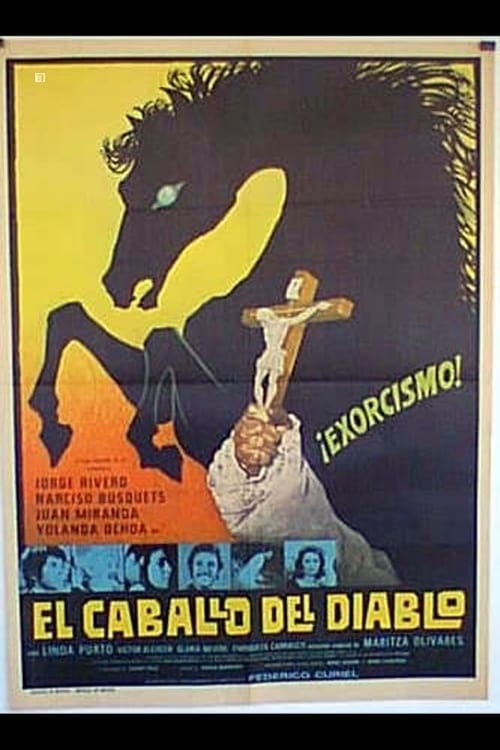
The Devil's Horse
1975
No user ratings available yet
Representation score: 1.9 out of 10
Representation Score
Minimal
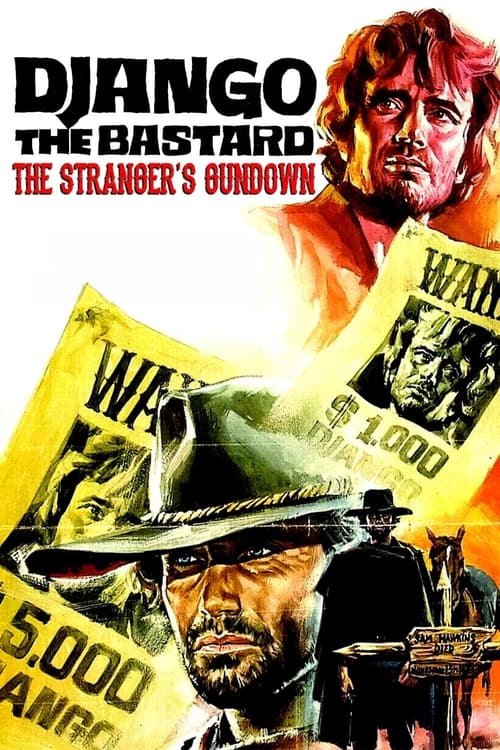
1969
RDirector
Sergio Garrone
Runtime
99 minutes
Average Rating
No ratings yetNew Showbiz Analysis
Django the Bastard is a nihilistic Western that upholds the traditional social structures of the 1960s. It emphasizes survival and situational ethics over rigid moral codes. While the film critiques formal authority, it does so through genre conventions rather than a direct critique of systemic issues. Ultimately, the film adheres to the cinematic norms of its era, featuring a predominantly male and white cast.
Category Breakdown
The film does not depict any LGBTQ+ identities or same-sex relationships. Character interactions follow a traditional heterosexual norm.
The story focuses on male characters who embody violence and survival. Women have minor roles and play a limited part in the plot.
The cast is mainly composed of white actors, fitting the genre standards of the time. There is no indication of diverse casting practices.
The film explores moral ambiguity, challenging traditional good-versus-evil narratives. It portrays a world where justice emerges from personal skill rather than official laws.
There are no significant portrayals of physical or cognitive disabilities. Characters are characterized by their physical strength and violent tendencies.
Present on Screen
Limited or Absent
Official Synopsis
A Confederate soldier returns from the dead to take revenge on three officers who betrayed his unit in battle.
1975
1966

1987
1976

1960
1968

1960
1972
No reviews yet. Be the first to share your thoughts on this movie!
Use the rating form above to leave a star rating and optional review.