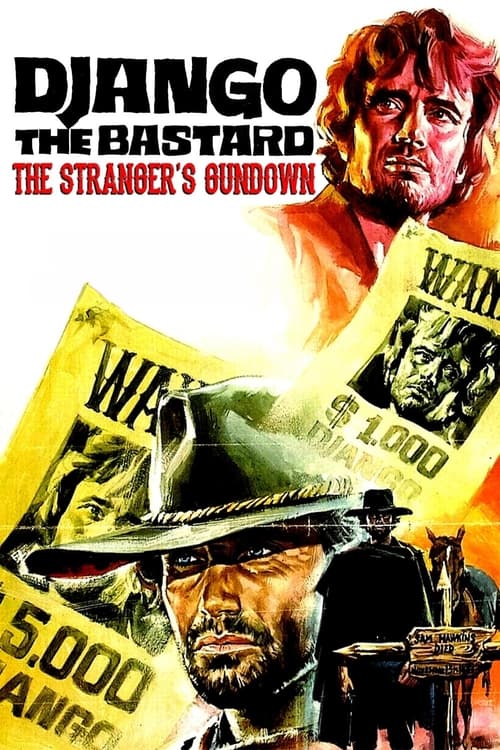
Django the Bastard
1969
No user ratings available yet
Representation score: 1.3 out of 10
Representation Score
Minimal
1975
Director
Federico Curiel
Runtime
88 minutes
Average Rating
No ratings yetNew Showbiz Analysis
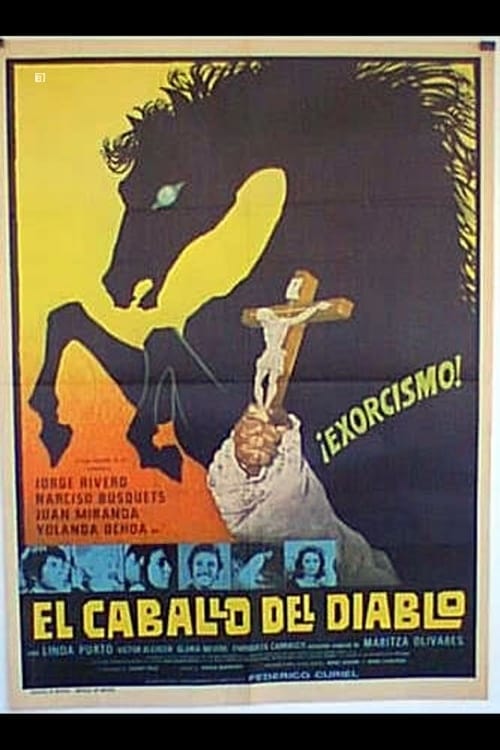
The Devil's Horse is a genre piece that prioritizes horror and Western clichés over social commentary. It functions as a traditional morality play, focusing on individualistic violence and supernatural themes rather than disrupting social hierarchies. The film reflects the constraints of 1970s Mexican genre cinema, offering a non-Western cultural perspective while adhering to established archetypes and patriarchal structures. Ultimately, it lacks intentional subversion of systemic power dynamics, favoring traditional genre frameworks and perspectives.
Category Breakdown
The film focuses on traditional gender roles and does not include any non-binary or LGBTQ+ identities. It does not challenge the assumption that everyone is straight or cisgender.
Women are portrayed mainly as victims within a patriarchal structure. The narrative emphasizes violence directed towards women, reinforcing traditional gender roles.
As a Mexican production, the film centers on non-Anglo-Saxon perspectives. However, it uses racial stereotypes typical of the Western genre without exploring deeper layers of identity.
The story follows a conventional morality tale centered around supernatural punishment. It does not critique Western institutions or promote moral relativism.
There are no identifiable depictions of physical or neurodivergent disabilities. The narrative does not use disability as a plot device.
Present on Screen
Limited or Absent
Official Synopsis
Highly convoluted Mexican concoction involving the titular 'Devil's Horse' and a violent son brought back to life, courtesy of the aforementioned Devil who begins straight away to be even more violent then before, this time extending his violence to women and animals.
1969
1964
1977
1972

1960

1957

1960
1980
No reviews yet. Be the first to share your thoughts on this movie!
Use the rating form above to leave a star rating and optional review.