
Magdalene
1988
No user ratings available yet
Representation score: 3.9 out of 10

Representation Score
Limited
2013
Director
Christian Vuissa
Runtime
95 minutes
Average Rating
No ratings yetNew Showbiz Analysis
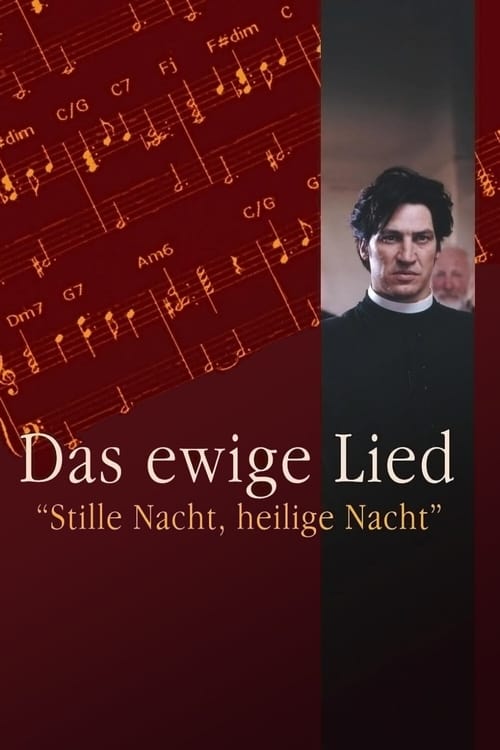
Silent Night is a period drama that explores social inclusion through the lens of religious reform. While it offers character development for social outcasts, the story remains firmly rooted in traditional Western institutional values. The film succeeds in showing minor disruptions to social norms, particularly through female participation in male-dominated spaces. However, these moments function more as individual acts of ability to act than systemic critiques of power. Ultimately, the narrative architecture is constrained by its historical setting and its focus on classical moral frameworks, resulting in a limited scope for broader diversity.
Category Breakdown
The film does not include explicit LGBTQ+ identities or non-straight relationships. It focuses on historical religious tensions and gendered social boundaries rather than LGBTQ+ characters taking control of their lives.
Maria disrupts traditional gender roles by joining an all-male choir. However, the central conflict remains rooted in a patriarchal religious system.
Set in 1818 Austria, the film reflects the era's demographics and prioritizes local class distinctions over racial or ethnic diversity. It does not explore multiple aspects of identity related to race or ethnicity.
The story operates within a traditional Western framework centered on Christian theology. It reinforces traditional spiritual values without challenging religious institutions.
There is no evidence regarding the depiction of physical or neurodivergent disabilities in this narrative.
Present on Screen
Limited or Absent
Official Synopsis
In 1818, when Joseph Mohr is assigned to be the new assistant priest in Oberndorf, a small Austrian town near Salzburg, the young man is full of ideas and ideals. His passion to bring the church closer to the common people sets him on a collision course with his new superior, Father Nostler. When Mohr organizes a church choir that includes outcasts from the local tavern and performs in German instead of Latin, Nostler threatens him with disciplinary action. Their relationship further deteriorates when Maria a regular tavern patron, surprisingly joins the performance of the all-male church choir. As Mohr's initial successes start to crumble and his efforts backfire on him, he loses all hope and faces a trial of faith. The night before Christmas, Mohr has to decide if he will accept defeat and leave Oberndorf or embrace the true significance of the Holy Night.
1988
1951
1997
2004

2018
2009
2005

2021
No reviews yet. Be the first to share your thoughts on this movie!
Use the rating form above to leave a star rating and optional review.