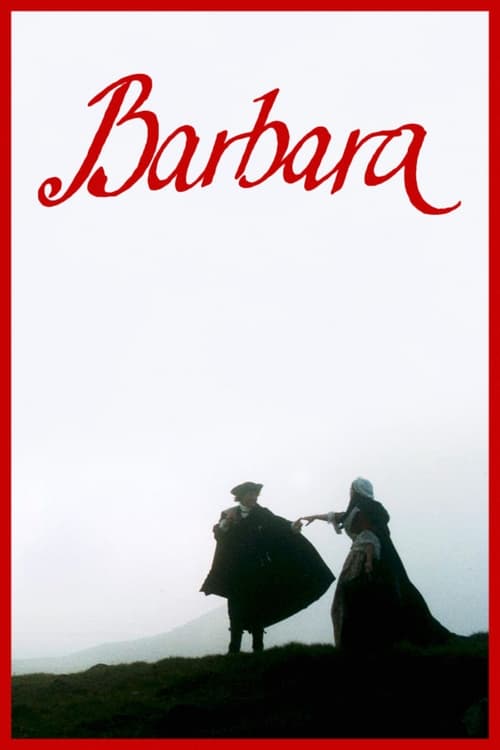
Barbara
1997
No user ratings available yet
Representation score: 2.6 out of 10
Representation Score
Limited
1988
PGDirector
Monica Teuber
Runtime
113 minutes
Average Rating
No ratings yetNew Showbiz Analysis
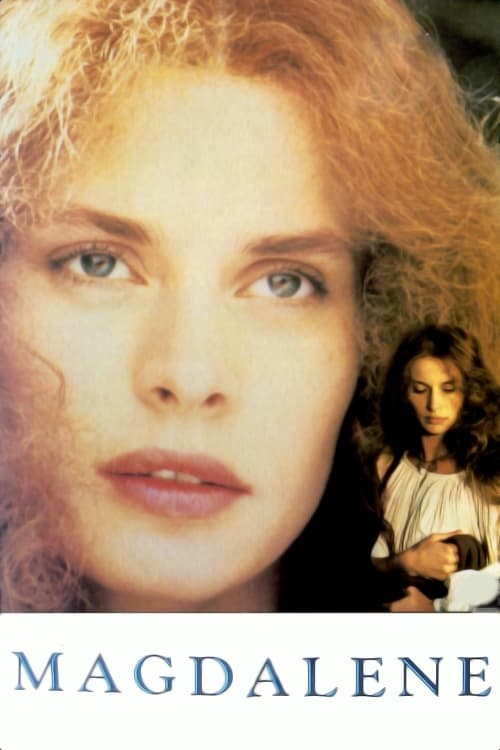
Magdalene is a period drama that emphasizes institutional critique over broad demographic representation. It successfully dismantles the idea of clerical authority as infallible, presenting the Church as a flawed human institution. While the film does not prominently feature LGBTQ+ identities or racial diversity, it excels in its portrayal of a underrepresented woman navigating a restrictive society. The tension between personal autonomy and institutional rigidity forms the core intellectual theme of the film. Overall, the film's diversity lies in its subversion of social hierarchies rather than in the depiction of varied identities.
Category Breakdown
The film focuses on a romantic relationship between a priest and a woman, challenging religious norms rather than exploring LGBTQ+ identities.
Magdalene offers a nuanced portrayal of a woman who defies passive stereotypes through her struggles against exclusion. Father Mohr challenges traditional male archetypes by showing emotional vulnerability.
The cast is predominantly homogeneous, reflecting the historical demographics of late 18th-century Austria. There is no indication of ethnic diversity.
The narrative criticizes the Church's hierarchy by depicting it as a corrupt institution. It highlights the conflict between personal morality and rigid institutional rules.
There are no visible or invisible disabilities featured in the film, nor are they central to the character arcs or plot progression.
Present on Screen
Limited or Absent
Official Synopsis
Father Joseph Mohr, a newly appointed priest in the town of Oberndorf (near Salzburg), meets the beautiful prostitute Magdalene. He struggles to change her situation and make a new life for her, and while doing so, they fall in love. Mohr struggles with his feelings for her, versus his commitment to God. Meanwhile, the Prior, Mohr's superior, whose corrupt dealings with the Baron von Seidl are threatened by Mohr's integrity and honesty, works (unsuccessfully) to falsely accuse Mohr of sexual misconduct with Magdalene, and thereby remove him from office. Meanwhile, Mohr and local schoolteacher Franz Gruber compose the hymn "Silent Night".
1997
2004
1993
2002
1988
1995
2010

1988
No reviews yet. Be the first to share your thoughts on this movie!
Use the rating form above to leave a star rating and optional review.