
White Mountains
1964
No user ratings available yet
Representation score: 7.7 out of 10
Representation Score
Good
1976
Director
Andrei Blaier
Runtime
101 minutes
Average Rating
No ratings yetNew Showbiz Analysis
The film functions as a meditative study on the breakdown of societal structures. It avoids triumphant nationalism, opting instead for an impressionistic view of a world in transition. The narrative shifts focus away from the 'great man' theory of history. By centering on the precarious roles of survivors, the film explores the roots of evil and the price of survival. It uses a fragmented, ballad-like style to depict a landscape of ruins and shadows. While the film engages deeply with systemic instability and cultural displacement, it remains limited in its explicit representation of specific identity groups like LGBTQ+ individuals or characters with disabilities.
Category Breakdown
The film does not include any explicit LGBTQ+ characters or narratives. It focuses on broader themes of human experience during war and displacement.
A central female figure contributes to themes of survival. The film avoids traditional masculine dominance, favoring a contemplative approach through silence and gestures.
Set in the Balkans, the story explores the displacement of populations within a fragile territory. It centers on refugees caught in the collapse of imperial structures.
The narrative disrupts imperialist clichés by focusing on the ruins of an empire. It explores moral relativism and the instability of established social and political institutions.
There is no specific evidence of characters with visible or invisible disabilities. While war-induced psychological trauma may be present, no explicit character arcs are mentioned.
Present on Screen
Limited or Absent
Official Synopsis
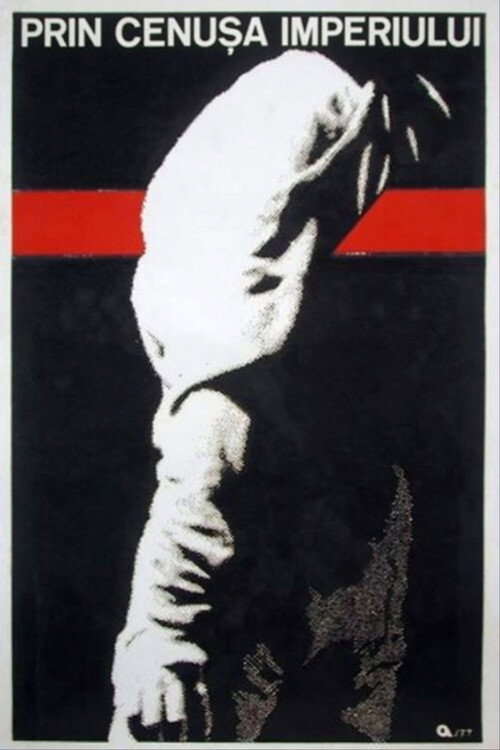
A war story. survivors. refugees. few essential meetings. and great actors. a film inspired from Zaharia Stancu short story. about pain, search of sense in misty times, about roots of evil and price of survive, about a country as shadow and ruins of a empire. all in dark nuances, touching images. a movie like a ballad. heavy, strange, profound, harsh, cruel. with few drops of feelings as steps of rotten ladder. looks, silhouettes, way to ambiguous home. a thief and a young man. across Balkans. among ash of a fragile territory. the impressive aspect – silence. and gestures. the woman, the train. the escape. the bath. and the death of Diplomat. all – fragments of an old way to discover reality. all – words of a new world.
1964
1961
2006

2004
1979

1994
2019
1997
No reviews yet. Be the first to share your thoughts on this movie!
Use the rating form above to leave a star rating and optional review.