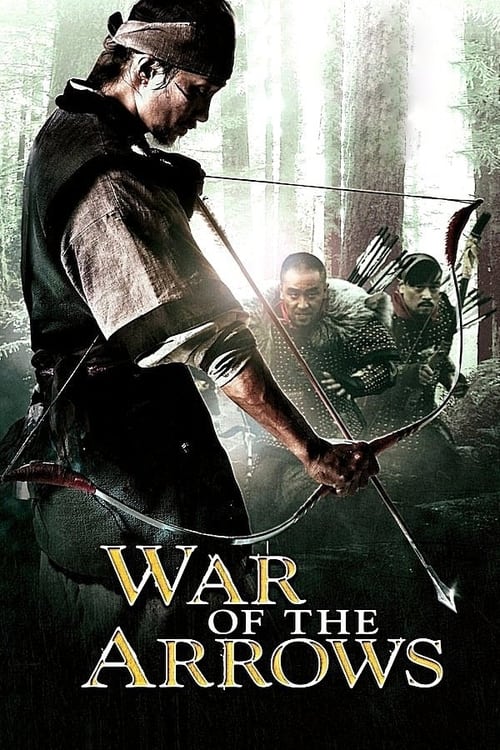
War of the Arrows
2011
No user ratings available yet
Diversity score: 3.8 out of 10
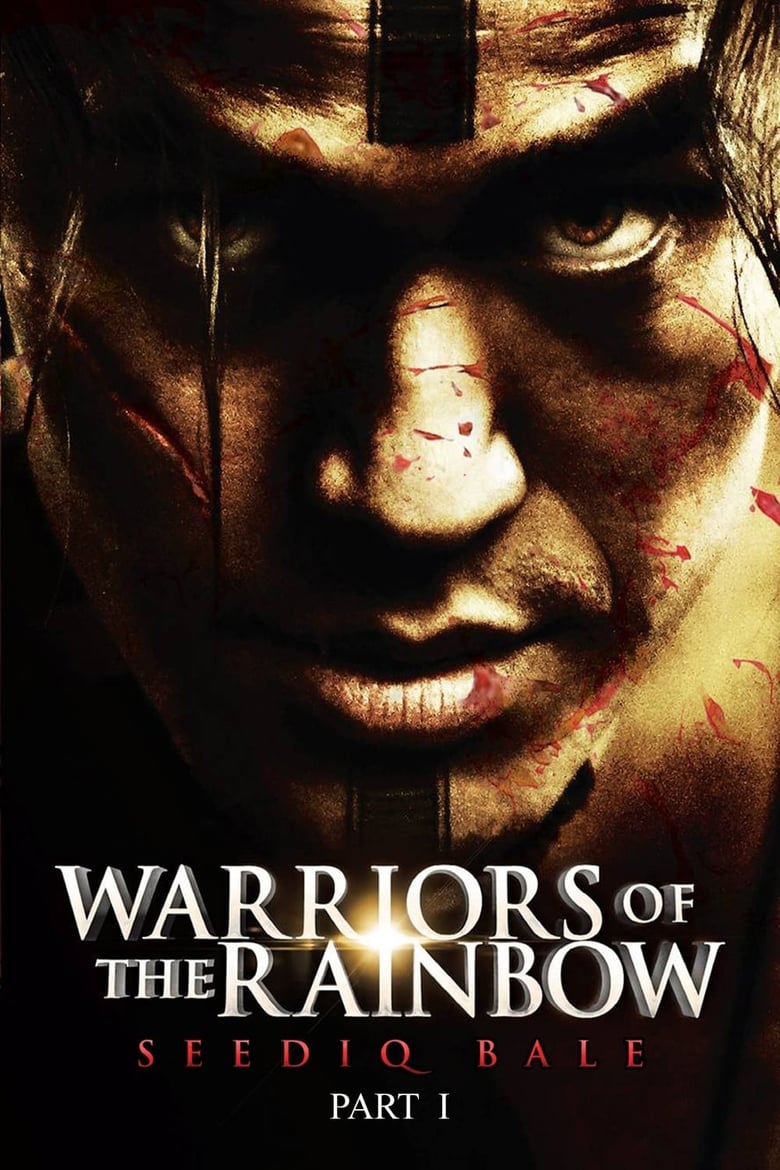
2011
Not RatedDirector
Wei Te-sheng
Runtime
144 minutes
Average Rating
No ratings yetSynopsis
An indigenous clan-based people living in harmony with nature find their way of life threatened when violent interlopers from another culture arrive, intent on seizing their natural resources and enslaving them. Warriors of the Rainbow: Seediq Bale - Part 1: The Sun Flag is Part one of the two-part, four-hour Taiwanese edition of the film Warriors of the Rainbow.
Overall Score
Fair
Category Breakdown
LGBTQ+ Representation
The film adheres to a heteronormative framework consistent with the historical context of the Seediq people. There is no discernible presence of non-cisnormative gender identities or same-sex intimacy.
Gender Representation
Women are depicted as integral to clan survival and social cohesion. However, the agency driving the central political and violent conflict is concentrated almost exclusively in male characters.
Racial & Ethnic Diversity
This is an exceptional example of indigenous-centric storytelling. By centering the Seediq people, the narrative disrupts the trope of minorities serving as mere background elements.
Religious & Cultural Diversity
The narrative prioritizes indigenous spirituality and traditional rites, such as facial tattooing. It portrays the Japanese colonial administration as an oppressive force attempting to dismantle indigenous sovereignty.
Disability Representation
The film does not actively engage with disability as a facet of identity. Characters with disabilities do not appear to possess significant narrative agency within the story.
Strengths
Areas for Improvement
AI Analysis
The film excels as a piece of post-colonial cinema, successfully shifting the narrative focus from state-centric 'civilizing' missions to the lived reality and resistance of indigenous subjects. It provides profound depth and agency to the Seediq people, challenging colonial hegemony through a complex internal moral code. However, the overall score is moderated by a strict adherence to traditional gender hierarchies and the absence of LGBTQ+ themes. The portrayal of masculinity is heavily tied to warrior status, reinforcing conventional gendered divisions of leadership and labor.
2011
2010
2011
No reviews yet. Be the first to share your thoughts on this movie!
Use the rating form above to leave a star rating and optional review.