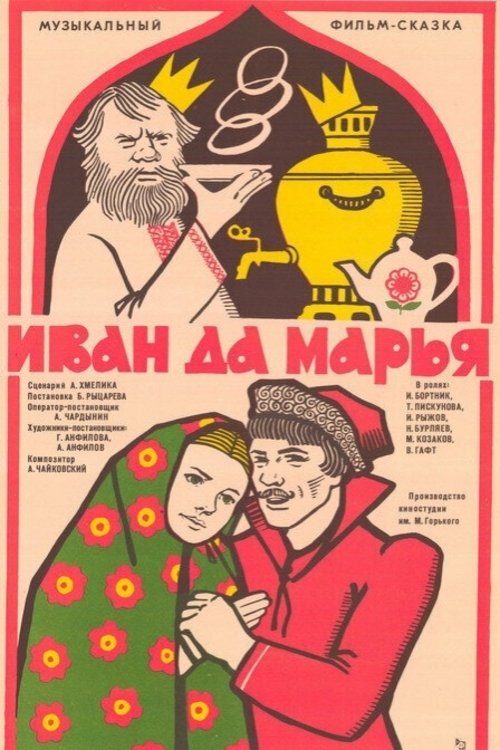
Ivan and Marya
1975
No user ratings available yet
Representation score: 2.2 out of 10
Representation Score
Limited
1986
Director
Boris Rytsarev
Runtime
72 minutes
Average Rating
No ratings yetNew Showbiz Analysis
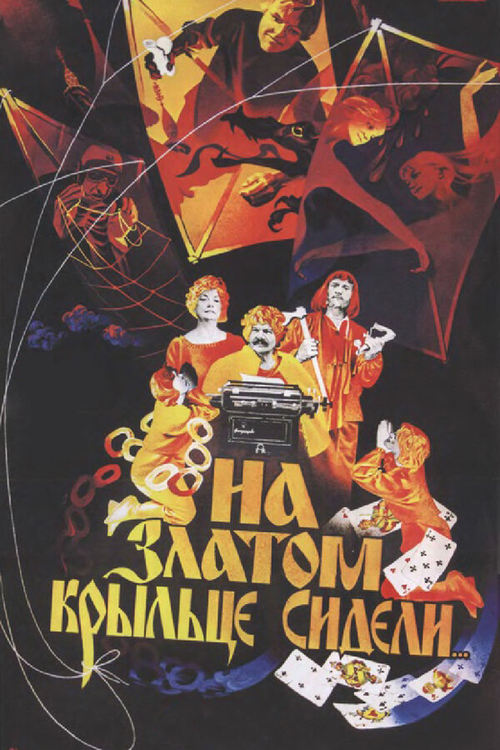
Sitting on the Golden Porch is a traditional fantasy that leans heavily on established folkloric clichés. It prioritizes the restoration of a classic monarchy and the fulfillment of dynastic duties over narrative subversion. The film reinforces conventional social and gender hierarchies. While Ivan provides a minor subversion of the competent leader cliché by being labeled a 'fool,' the overall structure remains deeply conservative. Ultimately, the work functions as a standard hero's journey within a homogeneous cultural framework, offering little in the way of characters who reflect more than one aspect of diversity or modern social complexity.
Category Breakdown
The story follows a traditional structure focused on Ivan-tsarevitch's pursuit of Alyona. There are no depictions of same-sex relationships or non-cisgender identities.
Characters adhere to traditional fairy-tale roles. While the Queen holds authority, her role is limited to arranging marriages, and the male protagonists follow classic hero archetypes.
The setting reflects a homogeneous cultural landscape typical of Soviet-era folklore. The narrative focuses on monarchical structures without indicating diverse ethnic groups or non-human metaphors.
The film reinforces traditional moral frameworks and social hierarchies. It celebrates the restoration of dynastic stability and the triumph of a hero over evil forces.
The narrative contains no mention of characters with physical or invisible disabilities. No information is available regarding the portrayal of neurodivergence.
Present on Screen
Limited or Absent
Official Synopsis
Two kings: Fedot and Amphibrachiy have been adjoining peacefully for many years. But once Amphibrachiy disappeared, and it became difficult for queen to cope with affairs. The state began to fall into decay. Also daughter Alyona absolutely got out of control. So mother decided to marry her. The king Fedot had three sons: Paul-tsarevitch, Peter-tsarevitch and Ivan-tsarevitch, whom everybody considered to be a fool. But he managed to gain Alyona's heart and, having won Kashchei the Immortal, set free the king Amphibrachiy.
1975
1965
1966
1987
1987
1965
1951
1967
No reviews yet. Be the first to share your thoughts on this movie!
Use the rating form above to leave a star rating and optional review.