Uncle Jim's Dairy Farm
1963
No user ratings available yet
Representation score: 0.5 out of 10
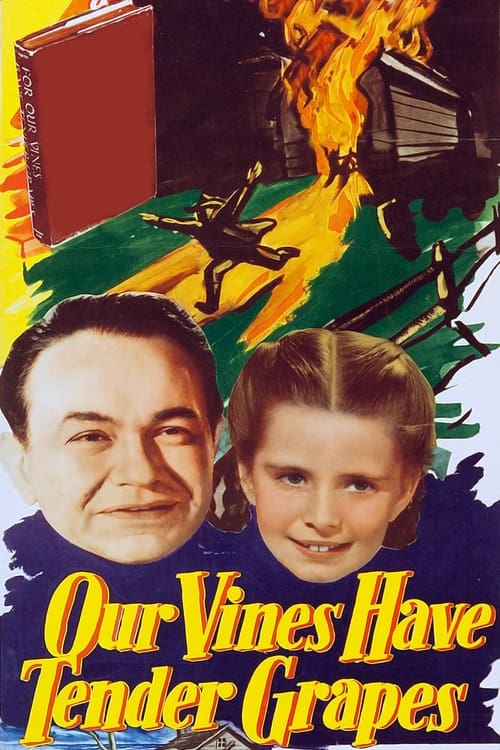
Representation Score
Limited
1945
NRDirector
Roy Rowland
Runtime
105 minutes
Average Rating
No ratings yetNew Showbiz Analysis
This 1945 drama emphasizes the tension between natural instincts and societal repression rather than demographic variety. While it challenges the notion of a perfect family by showcasing sexual transgressions and the collapse of moral frameworks, it remains confined within a traditional social context. The film delves into moral relativism, offering depth through characters' defiance against religious rigidity. However, the absence of diverse representation limits its broader impact. Ultimately, the work functions as a focused study of family disintegration rather than a wide-ranging social commentary.
Category Breakdown
The film does not include explicit LGBTQ+ identities or same-sex romantic relationships. It instead highlights tensions arising from unfulfilled desires and traditional expectations.
The story centers around a traditional patriarchal structure where conflicts arise from the authority of the male figure and the resistance of his sons, without questioning gender hierarchies.
The cast and setting show a homogeneous white rural community. The narrative does not include racial or ethnic diversity, focusing instead on a localized socio-economic environment.
The film examines the clash between religious doctrine and personal freedom. It portrays social rebellion as a reaction to strict institutional rules and moral authority.
There are no characters with visible or invisible disabilities who serve as central figures or thematic elements.
Present on Screen
Limited or Absent
Official Synopsis
Welcome to Fuller Junction, Wisconsin, a friendly small town settled by Norwegian farmers. Here we see the exploits of two young cousins, Selma and Arnold, who learn about their world and experience the ups and downs of life as the season pass.
1963
1946

2003
1945

1955
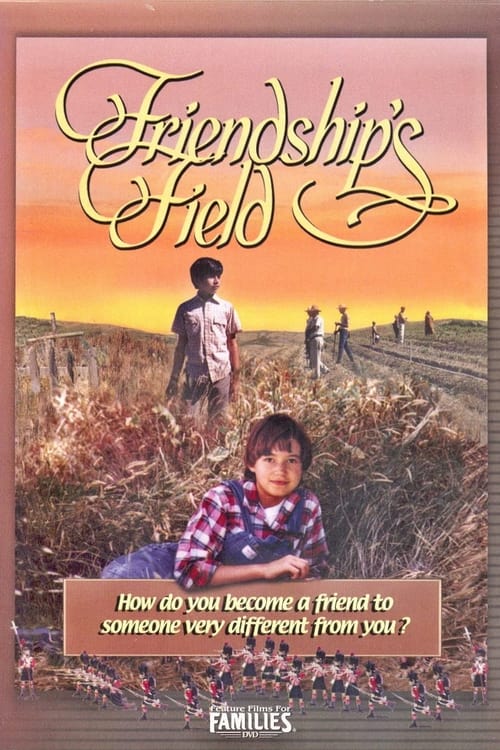
1995
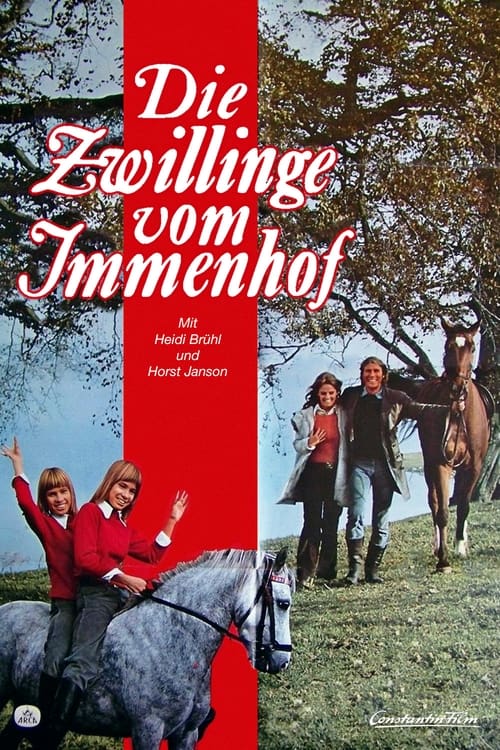
1973
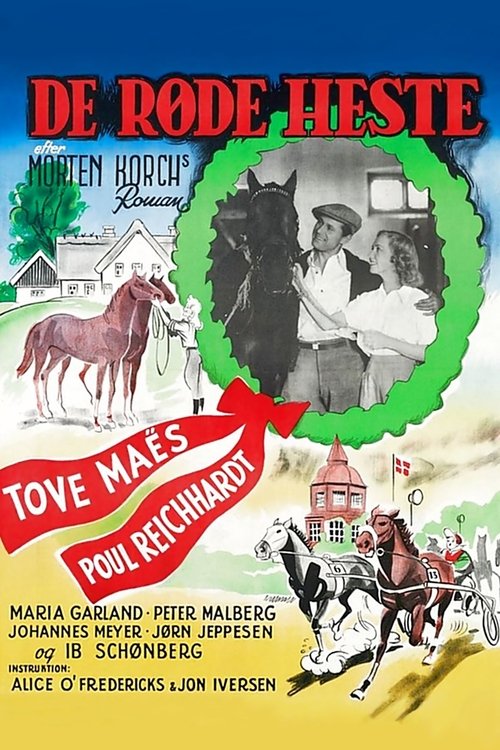
1950
No reviews yet. Be the first to share your thoughts on this movie!
Use the rating form above to leave a star rating and optional review.