My Happy Family
2017
No user ratings available yet
Representation score: 5.4 out of 10
Representation Score
Fair
2013
Not RatedDirector
Nana Ekvtimishvili, Simon Groß
Runtime
102 minutes
Average Rating
No ratings yetNew Showbiz Analysis
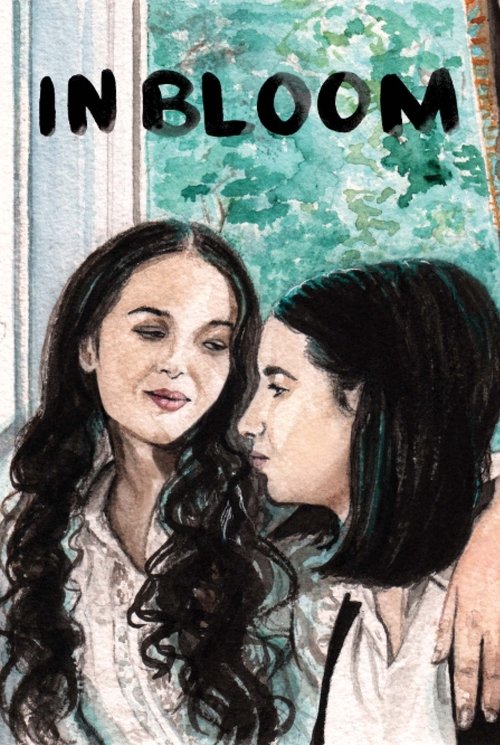
In Bloom is a sophisticated naturalist drama that prioritizes localized social realities over mainstream clichés. Its primary strength lies in its disruption of the patriarchal gaze, centering the narrative on the struggle for female autonomy against entrenched systemic structures. The film excels at portraying the tension between individual ability to act and oppressive communal authority. By framing the protagonists' rebellion as a necessary response to a stagnant environment, it achieves significant thematic depth. However, the film lacks representation regarding sexual orientation and does not feature characters with disabilities. While culturally rich, its focus remains strictly within a specific, traditionalist Georgian framework.
Category Breakdown
The film does not include explicit LGBTQ+ characters or explore non-straight relationships. Instead, it focuses on the protagonists' growing awareness within a traditional setting.
The film offers a strong critique of patriarchal structures by centering on two young girls. It highlights the girls' ability to drive the story as they navigate and resist restrictive domestic expectations.
Set in a rural Georgian village, the film delves deeply into a post-Soviet landscape. It successfully challenges Western cinematic norms by emphasizing a localized, non-Western reality.
The story deconstructs traditional social institutions, portraying family and village authority as sources of confinement. It offers a nuanced, skeptical view of communal power and post-Soviet stagnation.
There are no prominent depictions of visible or invisible disabilities that drive the plot or influence character development.
Present on Screen
Limited or Absent
Official Synopsis
Eka and Natia leave their childhood behind and ignore societal customs to escape from their turbulent family lives.
2017
2014
2009

2014
2015
2023
2021
2016
No reviews yet. Be the first to share your thoughts on this movie!
Use the rating form above to leave a star rating and optional review.