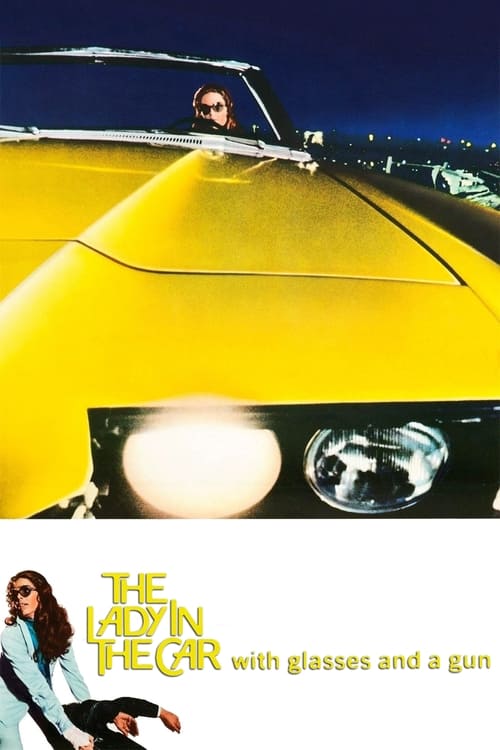
The Lady in the Car with Glasses and a Gun
1970
No user ratings available yet
Representation score: 4.0 out of 10

Representation Score
Excellent
2015
Not RatedDirector
Joann Sfar
Runtime
93 minutes
Average Rating
No ratings yetNew Showbiz Analysis
Joann Sfar’s work succeeds in subverting traditional character archetypes through a postmodern lens. By centering on a psychologically turbulent and unreliable female lead, the film avoids the domesticity often expected of women in cinema. The narrative structure favors subjective truth over societal order. However, the film's reliance on abstraction limits its demographic depth. The stylized, surrealist animation tends to universalize characters, which bypasses specific racial and ethnic identities. While this avoids stereotypes, it also misses opportunities for diverse representation. Ultimately, the film is a study in psychological depth rather than social identity. It disrupts conventional expectations of morality and authority, even if it treats physical and mental traits more as narrative textures than as lived realities.
Category Breakdown
The film uses a surrealist approach that blurs traditional gender and orientation boundaries. While there isn't a strong focus on same-sex relationships, identity remains fluid and abstract.
The story centers on a complex, independent heroine who defies typical female archetypes. She acts as an autonomous agent rather than being defined by her relationships with men.
The animated aesthetic prioritizes dream-like logic over realistic ethnic distinctions. Character designs tend toward a universalized style that avoids explicit explorations of racial identity.
The film critiques traditional Western institutions by promoting moral relativism. It presents a world where social norms are treated as absurdities to be bypassed.
The protagonist's short-sightedness and perceived instability serve as tools of surrealism. These traits function as stylistic devices rather than nuanced explorations of lived experience.
Present on Screen
Limited or Absent
Official Synopsis
She’s the most beautiful, most short-sighted, most sentimental, most perplexing, most obstinate, most untrustworthy and most troubling of heroines. The lady in the car has never seen the sea. On the run from the police, she keeps telling herself that she’s not crazy… Only...
1970

2008

2014

2014

2017

2009

2022

2006
No reviews yet. Be the first to share your thoughts on this movie!
Use the rating form above to leave a star rating and optional review.