Endangered Species
1982
No user ratings available yet
Representation score: 3.9 out of 10
Representation Score
Fair
1982
Director
Mike Newell
Runtime
105 minutes
Average Rating
No ratings yetNew Showbiz Analysis
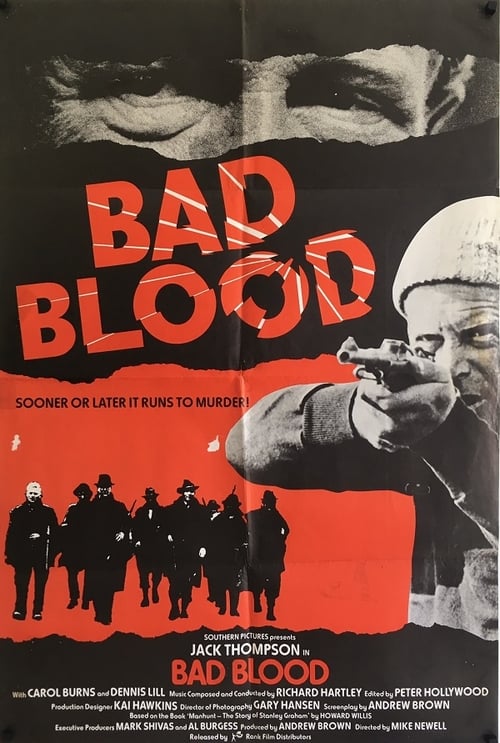
Bad Blood is a traditional period thriller that emphasizes plot-driven conflict over challenging social hierarchies. While it includes Māori trackers to avoid being purely Anglo-centric, the story remains rooted in a colonial-era context. The film adheres to mid-20th-century storytelling clichés, especially concerning gender and sexuality. It offers minimal engagement with LGBTQ+ identities or the subversion of patriarchal structures, focusing instead on individual pathology and the pursuit of justice. Overall, the representation of underrepresented groups serves the plot rather than exploring their multi-layered identities or systemic issues.
Category Breakdown
The film does not include any stories involving LGBTQ+ individuals or challenge traditional heterosexual relationships. The interpersonal dynamics focus on conventional romance and social structures.
Gender roles are shaped by the era's societal norms. Female characters often respond to the main conflict rather than actively driving the narrative.
The inclusion of Māori trackers adds ethnic diversity. However, their role is primarily functional to the plot's investigative elements.
The story follows a conventional moral framework centered around law enforcement. It does not critique Western institutions or explore moral relativism.
Characters with disabilities are not given significant roles. The film does not use disability as a key theme or explore its impact on the story.
Present on Screen
Limited or Absent
Official Synopsis
During World War 2, a farmer in New Zealand murders seven people. The police, along with local Maori trackers, hunt him in the bush country.
1982

1975

2022

2014
2019

1955
1946

1946
No reviews yet. Be the first to share your thoughts on this movie!
Use the rating form above to leave a star rating and optional review.