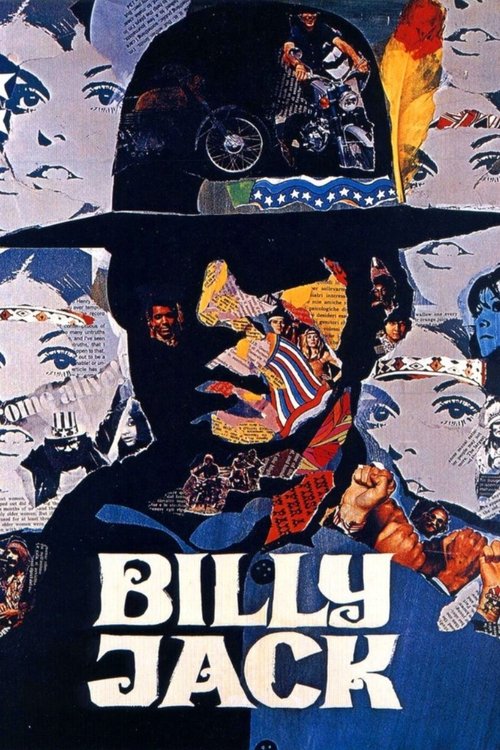
Billy Jack
1971
No user ratings available yet
Diversity score: 5.7 out of 10
1972
RDirector
William F. McGaha
Runtime
99 minutes
Average Rating
No ratings yetSynopsis
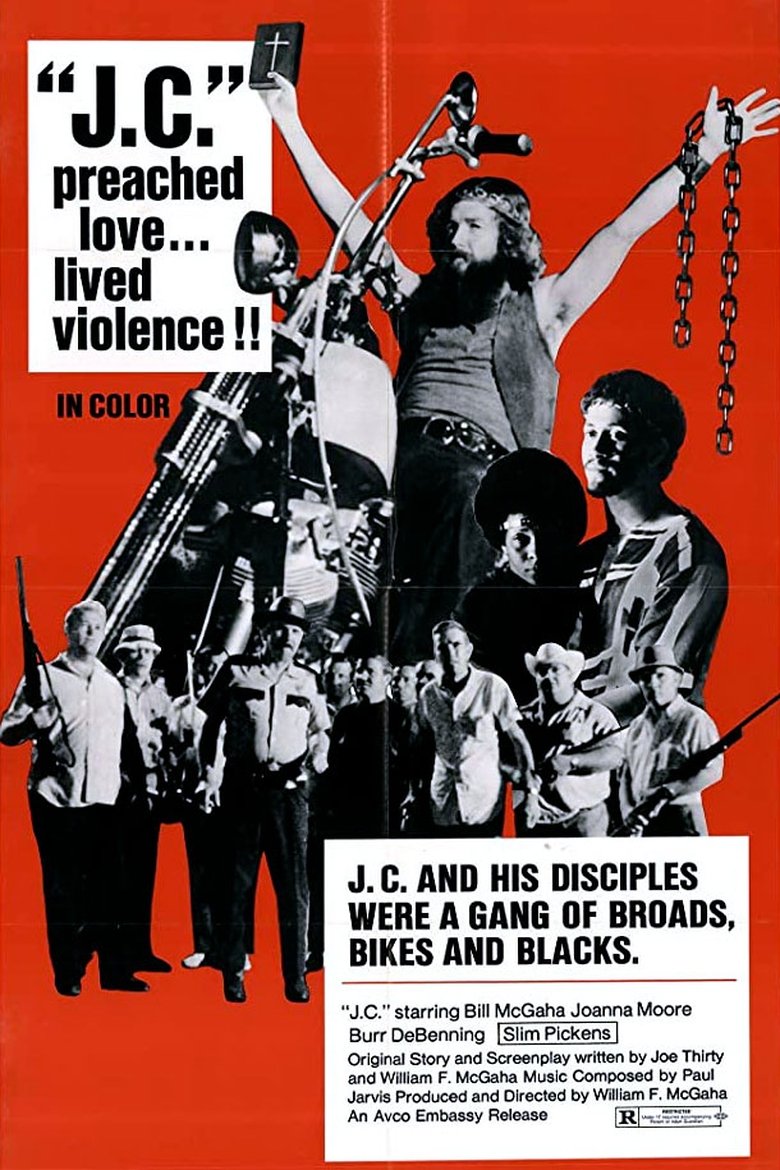
His father a hardcore Southern Baptist, J.C. rebels during his teen years, joining a biker gang and becoming their leader. While day-tripping, he has a prophetic religious vision and leads an LSD-fueled pilgrimage back to his home town, where he challenges the local church leaders, even knocking down chairs and tables in righteous anger, just like ... you know. Is Jesus Christ born again on Earth?
Overall Score
Limited
Category Breakdown
LGBTQ+ Representation
The film lacks any discernible LGBTQ+ characters or narratives. The story focuses exclusively on the protagonist's spiritual crisis within a traditional rural framework.
Gender Representation
The narrative centers on male-driven conflict and the psychological development of a young man. Female characters remain peripheral figures within the domestic or communal structure.
Racial & Ethnic Diversity
The cast appears homogeneous, reflecting a small-town, rural Southern setting. There is no evidence of significant racial blending or color-blind casting.
Religious & Cultural Diversity
The film offers a sophisticated critique of organized religion and community authority. It portrays the protagonist's disruption of church order as a pursuit of personal truth.
Disability Representation
The film explores neurodivergence through the protagonist's prophetic visions and altered states. It remains ambiguous whether his psychological state is a source of agency or instability.
Strengths
Areas for Improvement
AI Analysis
J.C. is a character study that prioritizes subjective experience over traditional moral stability. It functions primarily as a critique of institutionalized Western morality rather than a vehicle for demographic inclusivity. The film excels in its deconstruction of religious authority, using a non-conformist protagonist to challenge the social order. However, it lacks breadth in traditional representation metrics. While the narrative is complex regarding spiritual and psychological themes, the cast and character dynamics remain largely homogeneous and centered on a male perspective.
No reviews yet. Be the first to share your thoughts on this movie!
Use the rating form above to leave a star rating and optional review.