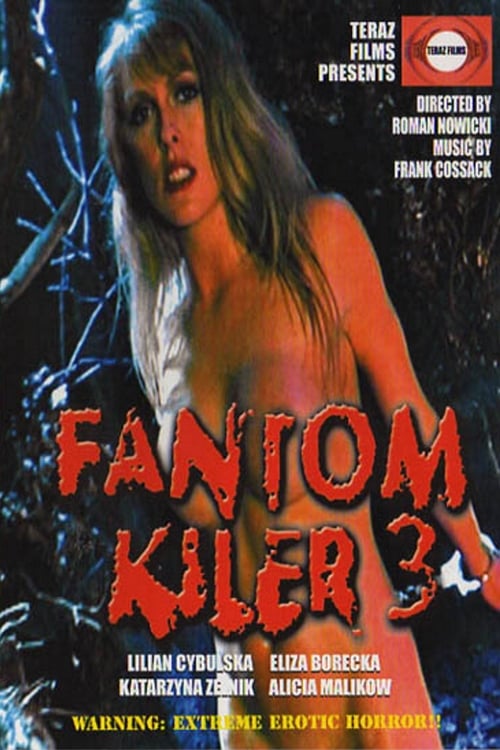
Fantom Kiler 3
2003
No user ratings available yet
Representation score: 0.8 out of 10

Representation Score
Good
1996
Director
Julie Lee, Jiro Ishimura
Runtime
88 minutes
Average Rating
No ratings yetNew Showbiz Analysis
Trilogy of Lust II is a transgressive exploitation film that finds its strength in subverting traditional gender power dynamics. By turning a victim of childhood trauma into a lethal and autonomous predator, the film rejects submissive female stereotypes common in the genre. However, the film's engagement with diversity is limited by its extreme genre conventions. While it explores complex moral relativism and the psychological impact of abuse, it lacks explicit LGBTQ+ representation and provides little information regarding racial or ethnic diversity. Ultimately, the work functions as a critique of social hypocrisy and traditional order, even if it uses mental health primarily to drive its horror elements.
Category Breakdown
The film focuses on heterosexual relationships as a means of violence and does not include any explicit representation of LGBTQ+ identities or non-cisgender narratives.
The movie challenges traditional gender roles by presenting the female protagonist as a powerful and dominant figure who transforms from a victim of patriarchal violence to someone with total control over men.
There is insufficient evidence to determine the racial composition of the cast or the presence of specific ethnic dynamics.
The story criticizes traditional social structures and the hypocrisy of professional institutions by framing the protagonist's actions as a response to systemic familial and sexual abuse.
Psychological trauma serves as the catalyst for the protagonist's actions, but the film may risk using mental health issues merely as a plot device for horror rather than a nuanced portrayal.
Present on Screen
Limited or Absent
Official Synopsis
The second part of the "Trilogy of Lust"-series tells the story about a woman who suffers from a childhood trauma when she was brutally raped by her uncle and his stinky booze companions. Now as an adult she leads two different lives: during the day she´s the upright manager of a firm, but at night she goes on murderous sprees, dressed in sexy rubber and latex costumes, to have sex with unsuspecting men. After the sexual intercourse she kills them violently and collects body parts like ears or noses as her trophies..
2003
1974
1989
1980
1981

1981

1983

1986
No reviews yet. Be the first to share your thoughts on this movie!
Use the rating form above to leave a star rating and optional review.