Look Who's Back
2015
No user ratings available yet
Representation score: 5.5 out of 10
Representation Score
Fair
1984
Director
Ismael González
Runtime
75 minutes
Average Rating
No ratings yetNew Showbiz Analysis
The film uses a revisionist comedic lens to dismantle historical grand narratives. By transforming a symbol of authoritarianism into a low-status comedian, it disrupts expectations of historical gravity. Its primary strength lies in cultural subversion, challenging established Western historical narratives and institutional truths through satire and moral relativism. However, the film lacks explicit data regarding racial or gender demographics. While it challenges rigid masculine archetypes, it does not provide clear evidence of diverse casting or specific identity-driven character arcs.
Category Breakdown
The film explores themes of identity fluidity through the use of disguise. While it doesn't show explicit same-sex intimacy, it challenges rigid, hyper-masculine historical roles.
The story deconstructs traditional masculine authority by portraying a former dictator as a comedic, inept performer. This shift undermines conventional hierarchies of power and leadership.
The narrative moves away from strictly Germanic frameworks by setting the story in a remote Spanish town. However, specific details regarding the cast's racial makeup are unavailable.
The film excels at cultural subversion by using satire to challenge established Western historical truths. It replaces rigid moralism with a more subjective, revisionist perspective.
There is no evidence within the narrative regarding the portrayal of physical or neurodivergent disabilities.
Present on Screen
Limited or Absent
Official Synopsis
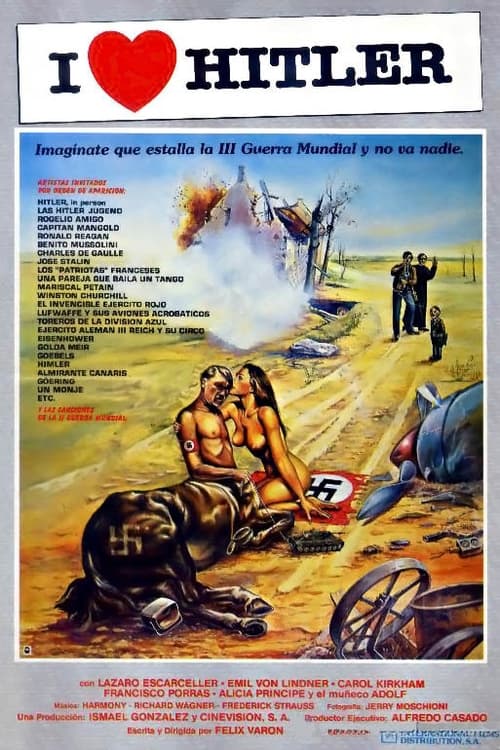
A young German pacifist finds documents in an old castle that prove Hitler didn't kill himself in April 1945, but fled to Spain disguised as a monk, and now works as a comedian in a remote town. He finds the former Führer in a small theater rehearsing a Charlot parody.
2015

1949

1986
1998
1979
1968
2008
2009
No reviews yet. Be the first to share your thoughts on this movie!
Use the rating form above to leave a star rating and optional review.