
Long and Winding Road
1994
No user ratings available yet
Representation score: 4.8 out of 10
Representation Score
Good
1991
Director
Francis Sung
Runtime
90 minutes
Average Rating
No ratings yetNew Showbiz Analysis
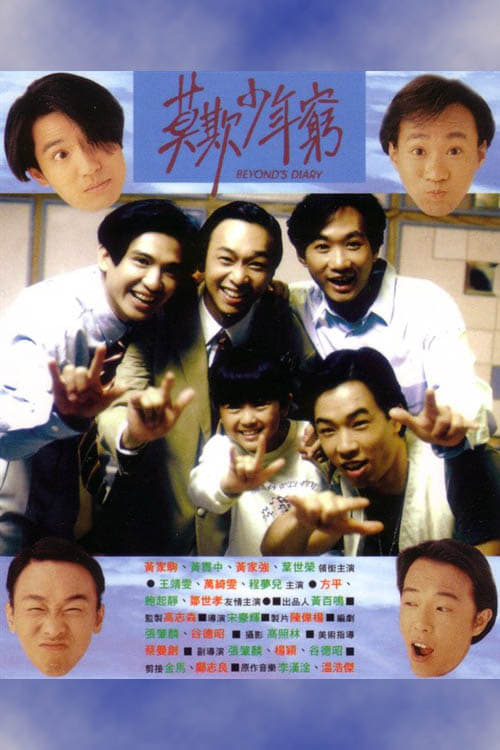
Beyond's Diary offers a localized look at the Hong Kong music scene and the pressures of social mobility. It succeeds in providing a culturally specific perspective on identity and the immigrant experience, moving away from Western-centric narratives. However, the film remains tied to traditional social structures. The narrative prioritizes men's control over the story and uses female characters largely to drive the protagonists' personal dilemmas rather than providing them with independent ability to act. While the film touches on physical limitations through Chung, it lacks broader engagement with LGBTQ+ identities or gender-subversive themes, resulting in a traditional character study.
Category Breakdown
The film lacks explicit representations of LGBTQ+ identities. It focuses on traditional romantic tensions, such as the pressure Wing faces from his girlfriend and her parents.
The story centers on male camaraderie and the shared struggles of four male protagonists. Female characters, including Faye Wong's character, primarily serve as catalysts for the men's conflicts.
The film offers a culturally specific portrayal of the Hong Kong experience. It avoids a Western-normative lens by focusing on localized aspirations and the immigrant experience.
Themes explore the tension between individual passion and institutional expectations like medicine or stable careers. It portrays familial expectations as a significant source of social conflict.
Chung's character introduces themes of physical limitation after being rejected from the police force due to a weak body. This serves as a primary driver for his arc.
Present on Screen
Limited or Absent
Official Synopsis
Kui (Wong Ka Kui), Keung (Steve Wong), Chung (Paul Wogn) and Wing (Wing Yip) are four buddies who are all very enthusiastic about music. Together they form a band called Beyond. In order to fulfill his family's emigration dream, Kui works round the clock to earn money and exhausts himself to sickness. Keung wants to build a successful career, but only finds himself being framed by his boss. Chung's childhood dream was to become a police officer, but he is rejected due to his weak body. Wing wants to study music at Hong Kong University, but his girlfriend (Faye Wong) and her parents pressure him into medicine. Can they find their ways again through friendship and music?
1994

2011

2005

2005
1997

2008

2006
1991
No reviews yet. Be the first to share your thoughts on this movie!
Use the rating form above to leave a star rating and optional review.