Maigret at the Pigalle
1966
No user ratings available yet
Representation score: 1.8 out of 10

Representation Score
Limited
1966
Not RatedDirector
Gianfranco Parolini
Runtime
92 minutes
Average Rating
No ratings yetNew Showbiz Analysis
Kiss Kiss, Kill Kill is a classic 1966 Eurospy thriller that emphasizes style and action over modern diversity. It reflects the social and racial norms of its time. One of the film's strongest points is its portrayal of female characters. While these women fit into the femme fatale archetype, they are also highly capable and dangerous, challenging the traditional damsel in distress cliché. Overall, the film maintains a Eurocentric perspective, lacking intentional demographic diversity and focusing on the high-stakes, secular world of espionage and political intrigue.
Category Breakdown
The film follows the typical heterosexual relationships and social norms of 1966 Eurospy cinema. There are no LGBTQ+ characters or stories that question the assumption that everyone is straight.
While the main characters are male, the film features strong female characters who are not damsels in distress. However, these women often fit into the femme fatale archetype, where they are both dangerous and seductive.
The story reflects a Eurocentric viewpoint common in mid-1960s European crime films. There are no significant non-white characters or blending of races in key roles.
The film focuses on the secular world of espionage and political corruption rather than religious morality. It uses a sense of moral relativism typical of the crime thriller genre.
There are no characters with visible or invisible disabilities shown in the film.
Present on Screen
Limited or Absent
Official Synopsis
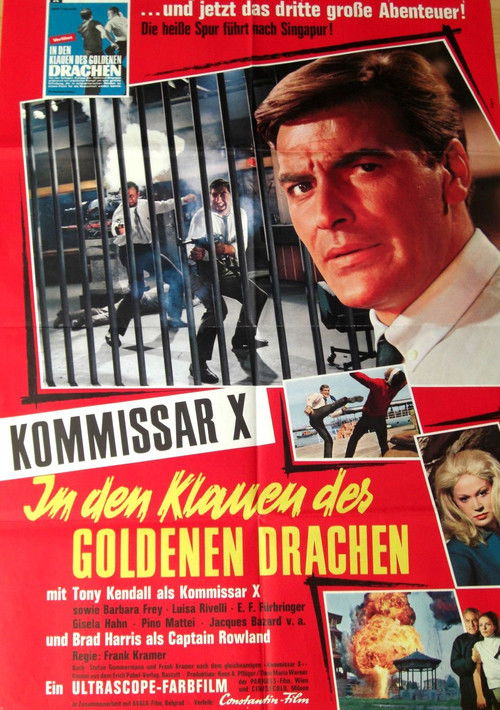
Tony and Brad investigate the murders of politicians and scientists. They soon face off against a team of super hit women with their usual flair.
1966
1968

1960

1974
1966

1958

1962

1964
No reviews yet. Be the first to share your thoughts on this movie!
Use the rating form above to leave a star rating and optional review.