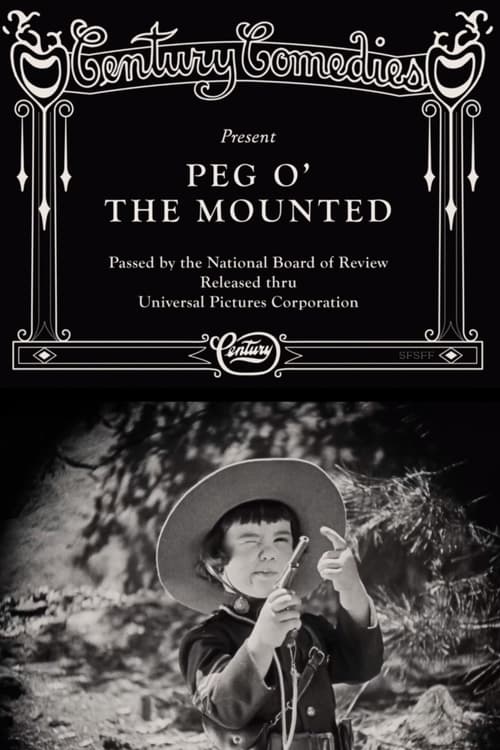
Peg o' the Mounted
1924
No user ratings available yet
Representation score: 0.8 out of 10
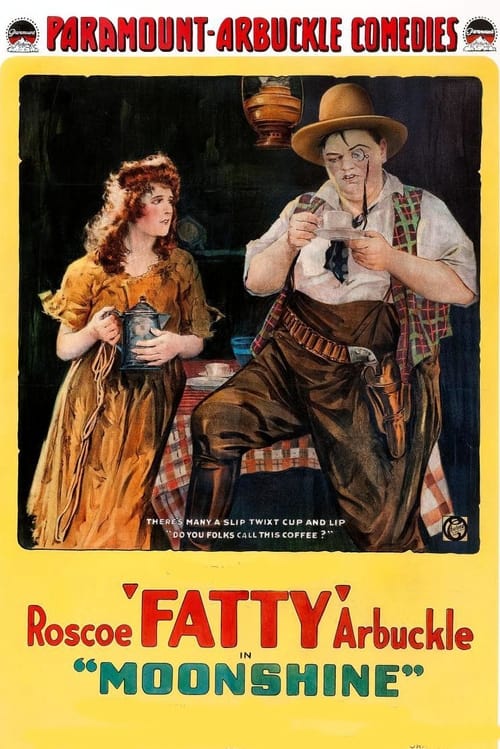
Representation Score
Minimal
1918
NRDirector
Roscoe Arbuckle
Runtime
18 minutes
Average Rating
No ratings yetNew Showbiz Analysis
Moonshine is a product of its time, deeply rooted in the social and cinematic constraints of 1918. It lacks modern characters who reflect more than one aspect of diversity, focusing instead on traditional rural archetypes and family feuds. While the film is demographically homogeneous, it finds its strength in the comedic subversion of authority. The conflict between mountain folk and federal agents provides an early cinematic pattern of challenging institutional hegemony through slapstick humor. Ultimately, the film prioritizes local, non-institutional morality over the imposition of state power, even if it does not include diverse identities.
Category Breakdown
The film does not include any LGBTQ+ characters or narratives that challenge the assumption that everyone is straight or cisgender. It focuses on traditional rural conflicts and comedic archetypes from the 1918 era.
The story centers on family feuds and federal agents, adhering to traditional gender roles. However, the slapstick genre occasionally challenges masculine competence by showing authority figures as incompetent.
The 'mountain folk' setting likely reflects the demographic homogeneity typical of early American cinema. There is no indication of a diverse cast or actors from different backgrounds.
The story explores the tension between local autonomy and centralized state power. The focus on moonshining highlights a narrative that prioritizes community morality over federal law.
There is no evidence of characters with visible or invisible disabilities playing a significant role in the plot or being integrated into the narrative.
Present on Screen
Limited or Absent
Official Synopsis
A feud between the Owens and the Gillettes ends when the last remaining Gillette is killed, but new trouble erupts for the mountain folk with the arrival of a U.S. revenue agent and his assistant.
1924
1956

1915
1938
1919
1919
1914
1914
No reviews yet. Be the first to share your thoughts on this movie!
Use the rating form above to leave a star rating and optional review.