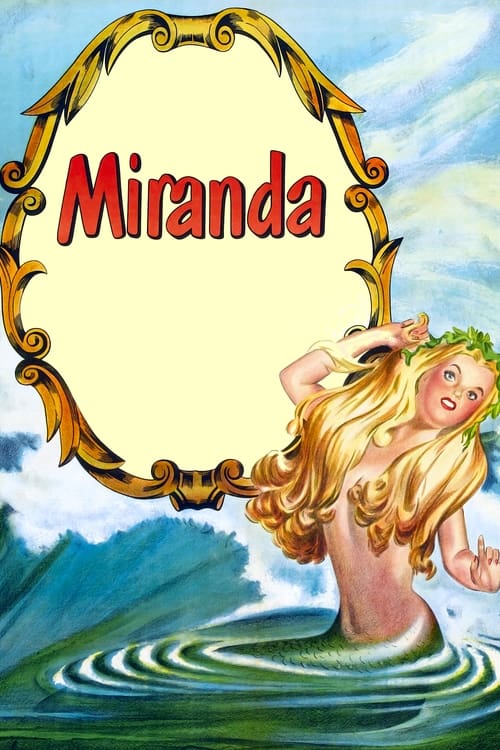
Miranda
1948
No user ratings available yet
Representation score: 2.5 out of 10
Representation Score
Limited
1954
Not RatedDirector
Ralph Thomas
Runtime
90 minutes
Average Rating
No ratings yetNew Showbiz Analysis
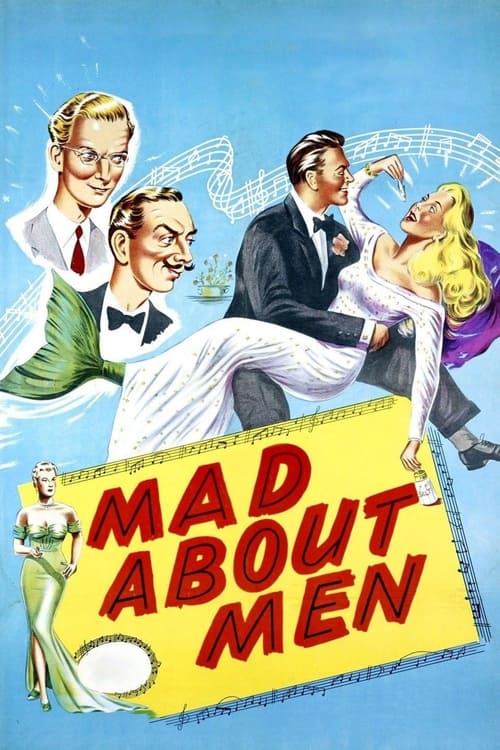
Mad About Men is a product of its 1954 historical context, prioritizing escapism and traditional romantic clichés. While it offers a slight progressive edge by granting women observational power through their collective study of social dynamics, the film remains firmly rooted in the era's social hierarchies. The production lacks multi-layered complexity, focusing instead on demographic homogeneity and Western social stability.
Category Breakdown
The film focuses on heterosexual relationships and does not depict any non-cisgender identities or same-sex intimacy.
Female characters gain intellectual independence by forming a club to study male behavior, offering a moderate challenge to passive female roles.
The cast is predominantly white and British, with no significant representation of non-Anglo-Saxon ethnicities.
The narrative adheres to conventional Western social norms and middle-class life, emphasizing social cohesion and romantic stability.
The film portrays characters within a standard able-bodied framework, with no visible or invisible disabilities represented.
Present on Screen
Limited or Absent
Official Synopsis
Flirtatious mermaid Miranda swaps places with a schoolteacher who has gone on holiday. All is well until she falls in love with a human.
1948
1958
1984
1942

1994

1961
1948
2006
No reviews yet. Be the first to share your thoughts on this movie!
Use the rating form above to leave a star rating and optional review.