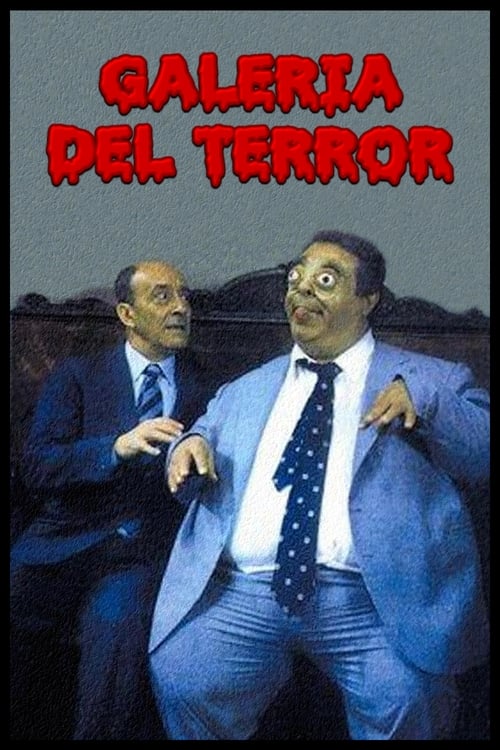
Galería del terror
1987
No user ratings available yet
Representation score: 1.3 out of 10
No Poster Available
Representation Score
Minimal
1957
Director
Adolfo Fernández Bustamante
Runtime
75 minutes
Average Rating
No ratings yetNew Showbiz Analysis
Dying of Laughter is a conventional mid-century horror-comedy that adheres to the social and narrative norms of its era. The plot relies on a gendered deception cliché, using a male character's impersonation of an elderly woman to drive the comedy. While the film uses gender as a plot device, it does not seek to challenge traditional hierarchies or provide meaningful roles for female characters. The production appears to lack intentionality regarding diverse representation or the disruption of traditional social structures. Ultimately, the film functions as a standard genre piece, reflecting the demographic and cultural homogeneity typical of 1957 cinema.
Category Breakdown
The film does not include any characters with non-cisgender identities or same-sex relationships. It centers on impersonation and family conflicts within traditional social structures.
Gender is used for comedic effect through a male character impersonating an elderly woman. This cliché uses a female archetype for deception without giving women significant roles or intellectual depth.
The film likely reflects the demographic homogeneity typical of 1957. There is no indication of diverse casting or a non-Anglo-Saxon majority cast.
The story follows a typical mid-century setup involving police and family disputes. It does not explicitly critique Western institutions, religion, or capitalism.
There is no information available regarding the portrayal of physical or neurodivergent disabilities in this production.
Present on Screen
Limited or Absent
Official Synopsis
Carnival worker is recruited by police to impersonate an old lady whose relatives want to kill her.
1987
1964
1963

1963

1993
1966

1961
1988
No reviews yet. Be the first to share your thoughts on this movie!
Use the rating form above to leave a star rating and optional review.