
Square
1972
No user ratings available yet
Representation score: 0.6 out of 10
Representation Score
Minimal
1990
Director
Zbigniew Rybczyński
Runtime
57 minutes
Average Rating
No ratings yetNew Showbiz Analysis
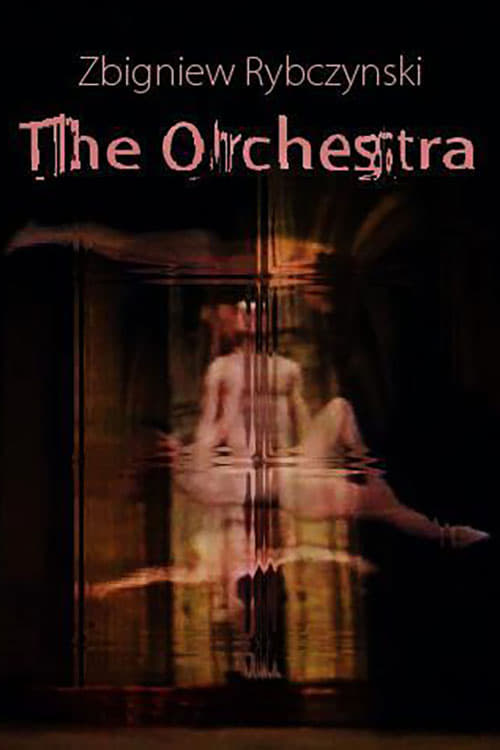
The Orchestra functions as an avant-garde visual study rather than a narrative film. Because it eschews traditional scripts, dialogue, and character development, it does not engage with social frameworks like identity, gender, or race. Instead, the work prioritizes formalist innovation and technical experimentation. The 'characters' are rhythmic and structural elements rather than social subjects, making standard metrics of interpersonal ability to act inapplicable. While the film's postmodern approach disrupts conventional cinematic expectations, it remains a technical exploration of video art rather than a vehicle for storytelling that reflects multiple aspects of identity.
Category Breakdown
The film lacks romantic pairings or queer-coded character arcs. As a non-narrative experimental piece, it provides no evidence of gender identity exploration.
The work focuses on rhythmic animation and visual layering. There are no discernible character roles or social hierarchies to address gendered power dynamics.
This abstract animation lacks character-driven ability to act. While it does not promote racial hierarchies, it offers no meaningful characters who reflect more than one aspect of diversity.
The film presents a secular, formalist appreciation of classical music. It prioritizes abstract experimentation over traditional storytelling or explicit socio-political critique.
No characters or entities are depicted with visible or invisible disabilities. The focus remains strictly on the synchronization of movement and sound.
Present on Screen
Limited or Absent
Official Synopsis
Zbigniew Rybczinski's video experiments set to classical music pieces.
1972
1987

2000
1973
1965
1945
2006
2001
No reviews yet. Be the first to share your thoughts on this movie!
Use the rating form above to leave a star rating and optional review.