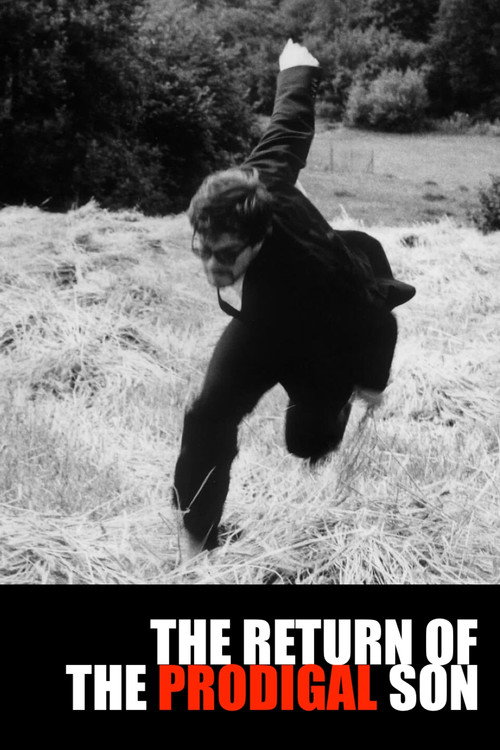
The Return of the Prodigal Son
1967
No user ratings available yet
Representation score: 5.7 out of 10

Representation Score
Good
1978
Director
Miloš 'Miša' Radivojević
Runtime
91 minutes
Average Rating
No ratings yetNew Showbiz Analysis
Breakdown (1978) is a character-driven drama that prioritizes psychological depth and institutional critique over broad demographic representation. Its strength lies in its sophisticated deconstruction of social roles and the 'petit bourgeois' class. However, the film lacks visibility regarding racial, ethnic, and LGBTQ+ identities, focusing instead on a more homogeneous social landscape. The narrative is primarily concerned with the friction between the individual and mid-century social structures. Ultimately, the film balances these elements by using physical ailments and emotional vulnerability to drive a story of individual ability to act against oppressive social norms.
Category Breakdown
The film does not explicitly depict non-straight relationships or same-sex intimacy. It focuses on a traditional romance between a man and a woman. Any hints of non-conformity are implied rather than shown directly.
The story disrupts traditional gender roles by emphasizing the protagonist's emotional vulnerability. His empowerment comes from reconnecting emotionally rather than maintaining his professional or patriarchal status. This shifts the focus away from typical masculine dominance.
The narrative appears to focus on class dynamics within a homogeneous social environment. There is little evidence of racial or ethnic diversity, as the setting emphasizes a specific European social context.
The film strongly critiques the 'petit bourgeois' lifestyle and stifling social institutions. It prioritizes individual psychological truth over the preservation of traditional social hierarchies.
A skin condition serves as a central metaphor for the protagonist's internal psychological conflict. Rather than a mere plot device, the ailment acts as a catalyst for self-reflection and moral decision-making.
Present on Screen
Limited or Absent
Official Synopsis
A journalist lives his smooth citizen life, married to a woman from respected family. But, conflicts with manager at work are becoming more often, his marriage is unstable and the outer manifestation of all this is a strange skin disease. Doctors recommend resting in nature and self-examination. In the mountains, in a lonely house near the lake, he meets a woman, also unadjusted and lonely. The consequences of this encounter are beneficial. Capable to love again, he gets his moral strength, and disease retreats. He breaks off his contacts with his wife's family and with "petit bourgeois" of his former life, confronts his boss and wins, realizing that this is only a first victory which has straightened him up.
1967

1964

1981

1989
1979
1984
2007

1975
No reviews yet. Be the first to share your thoughts on this movie!
Use the rating form above to leave a star rating and optional review.